Starting a vegetarian diet can feel overwhelming, but it doesn’t have to be complicated. The best vegetarian meals for beginners are simple, nutritious, and use easy-to-find ingredients to make the transition smooth and enjoyable. These meals focus on balanced nutrition without sacrificing flavor.
Many beginner-friendly vegetarian dishes rely on staples like beans, lentils, rice, and fresh vegetables. They are quick to prepare and adaptable to different tastes. This approach encourages confidence in cooking and helps build a solid foundation for a lasting vegetarian lifestyle.
Essential Tips for Vegetarian Beginners
Starting a vegetarian diet requires attention to nutrient balance, pantry essentials, and avoiding common pitfalls. Proper planning helps maintain energy levels and nutritional adequacy while making meal preparation more efficient.
Understanding Plant-Based Nutrition
Vegetarian diets need careful focus on proteins, vitamins, and minerals. Key protein sources include beans, lentils, tofu, tempeh, and quinoa. Combining different plant proteins throughout the day can ensure intake of all essential amino acids.
Vitamin B12, iron, and omega-3 fatty acids require particular attention. Since B12 is mainly found in animal products, supplementation or fortified foods are recommended. Iron from plant sources like spinach and legumes is less easily absorbed, so pairing these with vitamin C-rich foods improves absorption.
Calcium and vitamin D are also important for bone health. Dairy products, fortified plant milks, and leafy greens can help meet these needs.
Stocking a Vegetarian Pantry
A well-stocked pantry streamlines cooking and supports a diverse diet. Essential staples include:
- Legumes: Chickpeas, black beans, lentils
- Whole grains: Brown rice, quinoa, oats
- Nuts and seeds: Almonds, chia seeds, flaxseeds
- Canned goods: Tomato sauce, coconut milk
- Spices and herbs: Cumin, turmeric, garlic powder
Fresh and frozen vegetables should be added regularly to maintain variety and nutrients.
Investing in some plant-based protein powders or nutritional yeast can also enrich meals and add flavor.
Common Mistakes to Avoid
Many beginners rely too heavily on processed meat substitutes, which can lack fiber and contain additives. Focus instead on whole foods to gain nutritional benefits.
Skipping meals or not eating enough can lead to fatigue and cravings. Plan simple snacks like nuts, fruit, or hummus with vegetables to maintain energy.
Ignoring nutrient gaps, particularly vitamin B12 and iron, is another risk. Regularly include fortified foods and consider blood tests and supplementation if needed.
Avoid restrictive approaches that cut out entire food groups unnecessarily. Balance and variety foster a sustainable vegetarian diet.
Easy Vegetarian Recipes to Start With
Starting with meals that require minimal ingredients and steps helps build confidence in vegetarian cooking. These options balance nutrition and convenience while introducing familiar flavors.
Simple Breakfast Ideas
Breakfasts like overnight oats combined with fresh berries and nuts offer a nutritious, no-cook start to the day. Smoothies with spinach, banana, and plant-based milk are quick and rich in vitamins.
Egg-free avocado toast topped with cherry tomatoes and hemp seeds provides healthy fats and protein. For hot options, try vegetable-packed scrambled tofu seasoned with turmeric and garlic powder. These meals require less than 10 minutes to prepare, making them ideal for busy mornings.
Quick Lunches
Lunches that incorporate legumes and whole grains deliver sustained energy and essential nutrients. Lentil salad with cucumbers, tomatoes, parsley, and lemon dressing combines protein and fresh flavors.
Wraps filled with hummus, roasted vegetables, and baby spinach are portable and filling. For soups, a basic vegetable and bean stew can be prepared in bulk and reheated easily.
Using canned beans and pre-chopped veggies reduces prep time without sacrificing taste or nutrition, fitting well into a busy schedule.
Satisfying Dinners
Dinner recipes focus on balanced plates with protein, vegetables, and carbohydrates. Stir-fries using tofu or tempeh with mixed vegetables and soy sauce cook quickly on high heat.
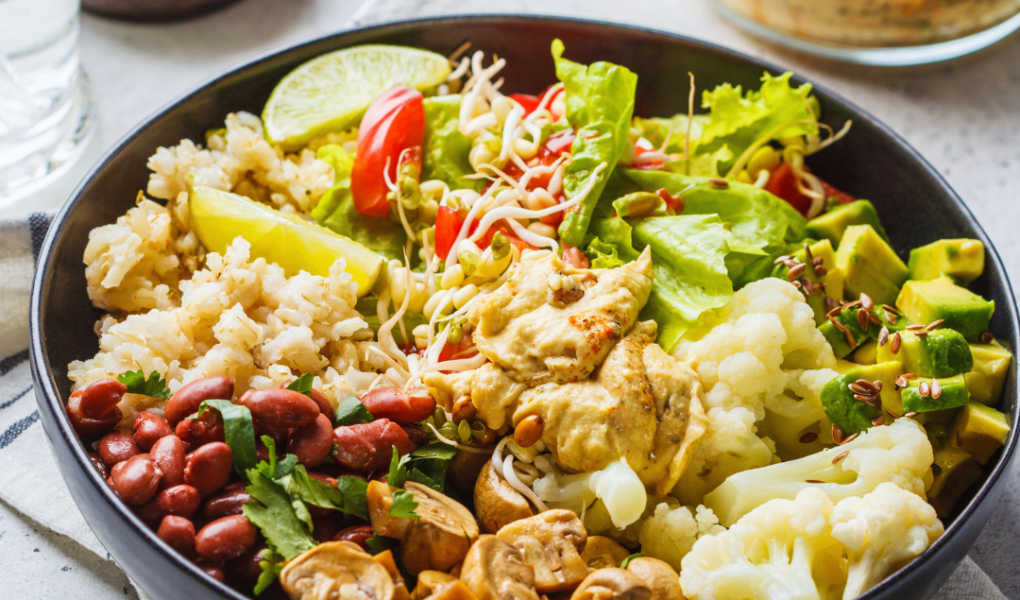
Pasta dishes with tomato sauce, sautéed mushrooms, and spinach provide comfort with simple ingredients. Grain bowls combining quinoa, roasted sweet potatoes, black beans, and avocado keep meals diverse and nutrient-dense.
Batch cooking meals like chili or vegetable curry allows leftovers for several nights, making cooking less time-consuming on busy evenings.
Building Balanced Vegetarian Meals
Creating vegetarian meals requires combining different food groups to ensure adequate intake of essential nutrients. Focusing on protein sources, whole grains, and healthy fats helps maintain energy and supports overall health.
Protein-Rich Plant Foods
Protein is crucial in a vegetarian diet to support muscle repair and enzyme production. Legumes such as lentils, chickpeas, and black beans provide significant protein per serving. Soy products like tofu and tempeh offer complete proteins, containing all nine essential amino acids.
Nuts, seeds, and quinoa also contribute quality protein, and combining various sources throughout the day ensures sufficient amino acid intake. Aim for at least two to three servings of protein-rich plants daily to meet requirements.
Whole Grains and Fiber
Whole grains supply complex carbohydrates and dietary fiber, which aid digestion and stabilize blood sugar. Brown rice, quinoa, barley, and whole wheat are excellent options.
Consuming at least three servings of whole grains daily supports sustained energy and improves gut health. Fiber-rich vegetables, fruits, and legumes complement grains to further increase fiber intake.
Healthy Fats Sources
Healthy fats are vital for brain function and nutrient absorption. Sources like avocados, olive oil, flaxseeds, chia seeds, and walnuts provide omega-3 and omega-6 fatty acids.
Including a tablespoon of seeds or nuts daily enhances fat quality in meals. Use olive oil for cooking or dressings to add monounsaturated fats without excess saturated fat.
Meal Planning and Preparation Strategies
Efficient planning and preparation help maintain a consistent vegetarian diet with less stress. Organizing ingredients, cooking in larger quantities, and using time-saving techniques make daily meals easier and more enjoyable.
Batch Cooking Essentials
Batch cooking means preparing large portions of food to store for later use. Focus on versatile, nutrient-rich staples like lentils, beans, rice, and roasted vegetables. Cooking these in bulk saves time and ensures you always have ready-to-eat components.
Use airtight containers to keep food fresh in the fridge or freezer. Label meals with dates to track freshness. Rotate between meals to avoid repetition and keep variety in your diet. Invest in a slow cooker or instant pot to simplify the batch cooking process.
Take advantage of seasonal produce and frozen vegetables to reduce costs and increase accessibility. Batch cooking also minimizes daily cleanup since you handle most preparation at once.
Time-Saving Meal Prep Tips
Pre-cut vegetables and pre-washed greens drastically reduce prep time during the week. Prepare simple salad dressings or sauces ahead to add flavor without extra effort. Keep spices organized and accessible for quick seasoning adjustments.
Employ multitasking while cooking—for example, simmer grains while chopping vegetables. Opt for one-pot meals where possible to reduce washing up. Use frozen herbs or pre-chopped garlic to speed up cooking steps.
Plan meals around overlapping ingredients to save waste and prep time. For instance, cook a large batch of quinoa and use it for salads, stir-fries, and soups throughout the week. Implementing these strategies makes vegetarian cooking manageable even with a busy schedule.
Finding Flavor and Variety
Adding flavor and variety to vegetarian meals often comes down to the thoughtful use of herbs, spices, and diverse global recipes. These elements prevent meals from feeling repetitive and can enhance both nutrition and enjoyment.
Using Herbs and Spices
Herbs and spices are essential for creating vibrant vegetarian dishes. Fresh herbs like basil, cilantro, and parsley bring brightness, while dried spices such as cumin, turmeric, and smoked paprika add depth and warmth.
Start with simple blends like Italian seasoning or curry powder to reduce complexity but still achieve rich flavor profiles. Toasting whole spices before grinding can release essential oils, enhancing aroma and taste.
Using chili flakes or fresh ginger adds a spicy kick. Experiment with mint or dill in salads and yogurt-based sauces for unexpected freshness. Balancing flavors—salty, sweet, sour, bitter, and umami—creates well-rounded meals.
Global Vegetarian Cuisine Inspiration
Global cuisine offers countless vegetarian recipes built on unique flavor combinations and cooking techniques. Indian dishes like chana masala use lentils, tomatoes, and spices to pack protein and flavor.
Middle Eastern fare such as falafel and tabbouleh highlights fresh herbs, lemon juice, and garlic. Asian meals often feature tofu, miso, and soy sauce for umami-rich profiles without meat.
Explore Mexican recipes that combine beans, corn, and chili for hearty, colorful plates. Trying dishes from various regions introduces new ingredients and spices, expanding your cooking skills and palate.
Dining Out and Social Gatherings
Eating vegetarian in social settings requires planning and clear communication. Understanding how to find or request suitable meals helps maintain your diet without stress.
Navigating Restaurant Menus
Check menus online before visiting a restaurant. Look for labels like vegetarian, vegan, or plant-based to spot suitable dishes quickly.
If the menu lacks clear labels, focus on items centered around vegetables, grains, beans, or tofu. Avoid dishes mentioning meat, fish, or poultry. Don’t hesitate to ask staff about ingredients or modifications to remove hidden animal products like broth or cheese.
Use this table for quick decisions:
| Dish Type | Likely Vegetarian? | Questions to Ask |
| Pasta with tomato sauce | Usually yes | Ask if the sauce contains meat or cheese |
| Salads | Possibly | Confirm no bacon, chicken, or fish toppings |
| Stir-fried tofu | Typically yes | Verify sauces are vegetarian |
Vegetarian Options at Events
At social events, vegetarian options might be limited. Bring a small dish to share if appropriate. This ensures you have a safe and tasty option.
Communicate your preferences clearly when RSVPing or ordering food. Event organizers often accommodate special diets if informed early. Look for signs of ingredients or ask the host discreetly. Carrying simple snacks like nuts or fruit can provide backup in case vegetarian offerings are scarce.
Sustaining a Vegetarian Lifestyle
Maintaining a vegetarian lifestyle requires planning to ensure balanced nutrition. Key nutrients such as protein, iron, calcium, and vitamin B12 deserve attention. Without careful choices, deficiencies can arise.
Protein sources include legumes, tofu, tempeh, seitan, nuts, and dairy products. Combining grains and beans can provide all essential amino acids. Incorporate a variety of these foods daily.
Iron absorption can be improved by pairing plant-based sources with vitamin C-rich foods. Examples of iron sources are spinach, lentils, chickpeas, and fortified cereals.
| Nutrient | Vegetarian Sources | Tips for Absorption |
| Protein | Lentils, beans, tofu | Combine grains and legumes |
| Iron | Spinach, chickpeas, seeds | Eat with vitamin C (citrus) |
| Calcium | Broccoli, fortified plant milk | Include leafy greens |
| Vitamin B12 | Fortified cereals, supplements | Monitor levels regularly |
Meal planning also helps avoid monotony and ensures variety. Using herbs, spices, and different cooking methods can make meals more enjoyable and diverse.
Social situations might pose challenges. Preparing dishes to share or explaining dietary needs can help ease transitions.
Lastly, regular health checkups and possible supplementation are smart practices. Nutrient monitoring supports long-term success in vegetarian living.