How Small Bakeries Create Desserts That Taste Like Childhood Memories
Ever had a cookie, or slice of cake that transported you to being seven years old again? No, just any cookie. The cookie that tasted just like grandma used to make or the cookie that was at every birthday party celebrated when growing up. These tastes are nostalgic, and small bakeries get it right in a way that larger enterprises can’t, and it’s not by accident.
The Recipe Cards That Are Actually Followed
Most local bakeries aren’t working off of corporate recipe cards sent off from some lab somewhere to determine the best mix of preservatives. They’re following tried and true cards that have been around for decades, if not centuries. Grandma’s notebooks have flour smudged across every page from the recipes she once found in her own flour-dusted notebook, and the ones that got passed down actually worked. They were created back when artisan baking was an art. Companies like sweetesbakeshop.com specialize in these old-fashioned ways of operations, with a focus on obtaining tastes better than efficiency.
They’re old for a reason, but not for nostalgia’s sake. They’re good because people took the time to knead dough, let it rise properly, real butter (not margarine) was the source of all things good, and no one took shortcuts because they had the time to do things right. They cost more, they take more time, and they require craft, but they taste better than mass produced, mechanical creations.
Ingredients Not Sourced From Huge Factory Warehouses
Here’s where small bakeries have a significantly competitive edge. They are not pumping out five-gallon buckets of pre-mixed frosting that was bought wholesale; they’re not getting frozen dough delivered via truck runs weekly. They’re using real butter, real vanilla extract, real eggs. This makes a difference that people who haven’t created anything from scratch fail to realize (and wannabe bakers fail by missing key ingredients).
When cakes have real buttercream icing, they taste different. When cookies use real vanilla extract versus artificially flavored inexpensive imitation, there’s an obvious difference. Even something as simple as using whole milk as opposed to water for a single ingredient transforms the texture and flavor.
But to get those ingredients is expensive, and they don’t keep for months at room temperature like pre-packaged options do. A local bakery doesn’t need this; they don’t churn out thousands of units meant to sit in a supply chain vacuum for weeks at a time to make sense of their methods.
The Human Element No One Considers
Mass production relies upon sameness. Every cookie has to look the same. Every cake must mirror the photo used as a source of inspiration, and no variance can be made for any quality control parameters. However, with a small bakery, the individual making your cake might switch up the frosting pattern because they think it will look better. The person in charge of your cookies might decide to take them out thirty seconds early because they’ve been baking long enough to know precisely how long they’ll be crisp without burning.
This isn’t sloppiness, it’s attention to detail beyond what computers can do. Someone who’s been baking for longer than they’ve actually been making their own recipes knows what dough feels like when it’s mixed enough, but needs another moment of blending to ensure it gets incorporated evenly. They know if they should adjust oven temperature halfway through based on how the first batch came out, and they can trust their gut because it’s been right so many times before this undocumented adjustment.
Time as an Ingredient
Most people remember their favorite sweets from childhood because that’s what was made for gatherings like birthdays and holidays, and those things take time to create. Bread needed to rise, cakes cool completely before icing was applied, cookies rested overnight before baking started. Small bakeries still do this, which only proves how they operate by keeping these practices intact without a time-saving measure added to an appeal for mass production.
Pie dough needs to rest; no one likes a tough crust, but that’s what’s going to happen when a bakery skips this step because they’ve gotten too busy on National Pie Day and wants all pies baked and ready yesterday (so to speak).
Raspberry rolls need to proof, the last thing someone wants is dense bread when a bakery can’t take the time to let them rise appropriately. However, national chains ditch the extras at times or cut corners in an effort to successfully churn out as many pastries as possible faster. Small bakeries recognize that it’s the key to success over mediocre reviews and repeat customers because that’s what’s needed.
The Repetition Required For Success
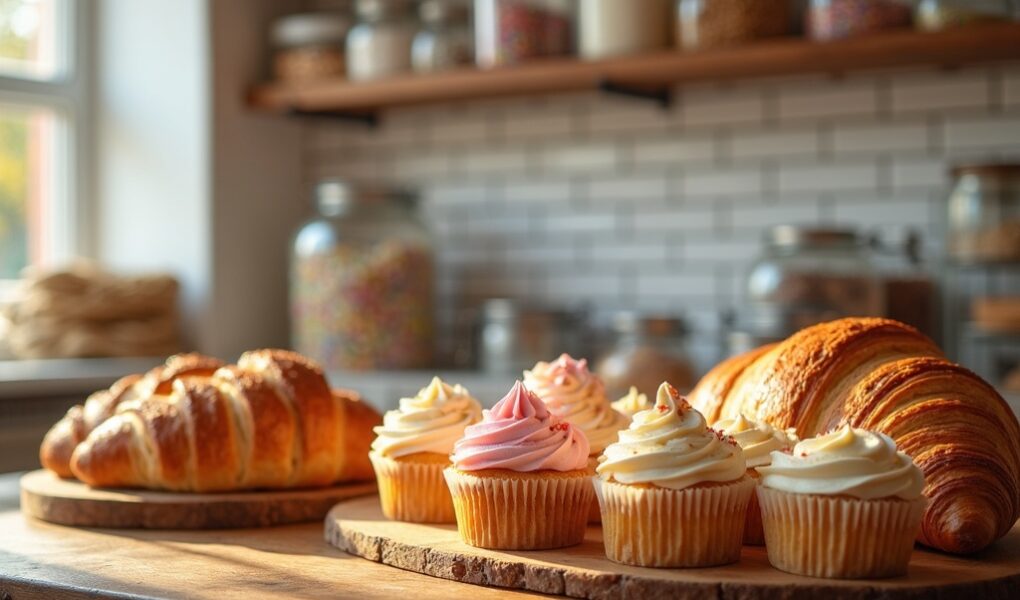
Small bakeries often bake the same things day in and day out, sometimes for years on end. The person making croissants has made thousands of croissants just like them using similar technique, apparatuses and recipes for years on end, knowing exactly what it’s supposed to look like, feel like, take every step along the way, each step taking precisely as long as the last croissant went through for them to predict what adjustments need to be made along the way based on assessment skills developed in observation most would take for granted.
Since people have been given the chance to hone their craft over years on end with minimal politics involved, it’s easy to make something incredible, not following steps from a manual for the first time ever based on someone else’s haphazard effort last week having been their first go around at anything ever.
Why It Matters
Because childhood memories reign supreme more often than not due to positive associations made during childhood, birthdays, holidays, family get-togethers, and when those tastes can be reconstructed by a bakery creator without hesitation, instead bringing anyone right back there, it’s nostalgic, not just tasty, and years’ worth of effort go into food that can connect someone back with positive memories from days gone by all through time spent devising techniques and cultivating good relations with flavors and patrons alike.