Losing weight doesn’t have to mean spending hours in the kitchen. The best quick meals for weight loss combine balanced nutrients with minimal prep time, making healthy eating simple and sustainable.
These meals focus on lean proteins, fiber-rich vegetables, and healthy fats to keep you full and energized. With the right ingredients and quick recipes, you can maintain your goals without sacrificing flavor or convenience.
Understanding Quick Meals for Weight Loss
Quick meals that support weight loss must balance preparation time with nutritional value and calorie control. Choosing the right ingredients and understanding common pitfalls can improve both convenience and effectiveness in your diet.
What Makes a Meal ‘Quick’ and Healthy
A quick meal typically takes 15 minutes or less to prepare and cook. To qualify as healthy, it should include whole foods like vegetables, lean proteins, and healthy fats. Minimizing processed ingredients reduces added sugars and unhealthy fats.
Simple cooking methods like steaming, grilling, or assembling raw ingredients speed up meal times. Prepping ingredients ahead and using single-pan recipes also helps. Avoid reliance on frozen meals high in sodium and preservatives.
Quick, healthy meals focus on nutrient density rather than volume. Incorporating fiber-rich vegetables and lean proteins boosts satiety, helping to control hunger between meals.
Nutritional Principles for Weight Loss
Calorie control is essential; meals should create a moderate calorie deficit without sacrificing nutrients. Prioritize protein sources like chicken, fish, tofu, or legumes to maintain muscle mass and promote fullness.
Carbohydrates should mainly come from vegetables, fruits, and whole grains, which provide fiber and steady energy. Limit refined carbs and added sugars that cause blood sugar spikes.
Healthy fats such as avocados, nuts, and olive oil support metabolism and nutrient absorption. Portion control and balance between macros optimize body composition during weight loss.
Common Mistakes with Fast Meal Options
Skipping meals or relying on very low-calorie options can slow metabolism and increase cravings later. Choosing convenience foods high in sodium, sugar, and unhealthy fats undermines weight loss goals.
Overusing sauces or dressings often adds hidden calories. Failing to include enough protein or fiber leads to poor satiety and overeating.
Not planning meals ahead leads to poor choices or reliance on fast food. Preparing batch meals or having healthy staples on hand prevents these issues and supports consistent progress.
Key Ingredients for Fast and Effective Weight Loss Meals
Choosing the right ingredients can significantly impact how quickly and efficiently weight loss occurs. Meals focused on satiety, nutrition, and moderate calorie intake support long-term success without sacrificing flavor or ease of preparation.
Lean Proteins for Satiety
Lean proteins like chicken breast, turkey, tofu, and fish are essential for controlling hunger. They digest slowly, keeping you full longer and reducing the temptation to snack.
Protein also supports muscle maintenance during weight loss. Aim for options with low saturated fat to avoid excess calories.
Common choices include:
- Skinless poultry
- White fish (cod, tilapia)
- Plant-based proteins (legumes, tempeh)
Including about 20-30 grams of protein per meal helps regulate appetite and boosts metabolism because protein requires more energy to digest compared to fats or carbs.
Fiber-Rich Vegetables
Vegetables high in fiber add bulk without adding many calories. This helps with fullness and improves digestion.
Examples are:
- Broccoli
- Spinach
- Brussels sprouts
- Carrots
Fiber slows carbohydrate absorption, preventing blood sugar spikes and crashes. This stability reduces hunger and unnecessary calorie intake.
Aim to fill half your plate with these vegetables to increase volume and satisfaction in each meal.
Healthy Fats in Moderation
Healthy fats support hormone function and nutrient absorption, but should be consumed carefully.
Sources like:
- Avocados
- Olive oil
- Nuts and seeds
provide essential fatty acids without contributing to overeating when portioned correctly.
Fats also slow digestion, which assists in prolonging satiety. Incorporate 1–2 tablespoons of healthy fats per meal to balance taste and energy intake without exceeding calorie limits.
Top Quick Breakfast Ideas for Weight Loss
Choosing breakfast options that are both quick and nutritious helps support weight loss goals by controlling hunger and providing sustained energy. These choices focus on balancing protein, fiber, and healthy fats while minimizing added sugars.
Overnight Oats Variations
Overnight oats provide a convenient, no-cook option that is rich in fiber and can be prepped the night before. Use rolled oats soaked in unsweetened almond milk or Greek yogurt for added protein.
Add toppings like chia seeds, sliced almonds, or berries to increase fiber and antioxidants without extra calories. Avoid sugary syrups and use natural sweeteners like stevia or a small amount of honey if needed.
Flavor variations include cinnamon with chopped apples, cocoa powder with raspberries, or mashed banana with walnuts. This variety keeps the meal interesting and nutrient-dense while being quick to grab and eat.
Protein Smoothie Recipes
Protein smoothies combine lean protein with fruits and vegetables to reduce hunger and stabilize blood sugar. Use a base of unsweetened plant milk or water.
Key ingredients include a scoop of protein powder (whey or plant-based), spinach or kale, and low-sugar fruits like berries or half a banana. Adding flaxseed or chia seeds provides omega-3 fatty acids and fiber.
Keep portion sizes moderate to avoid excess calories. Blending with ice makes the drink refreshing and satisfying without added fats or sugars.
Egg-Based Breakfasts
Eggs are a high-protein, low-calorie option that supports muscle maintenance and reduces appetite. Quick methods include boiling, poaching, or scrambling with minimal oil.
Pair eggs with non-starchy vegetables such as spinach, tomatoes, or mushrooms for fiber and volume. Avoid high-calorie additions like cheese or cream; instead, use herbs and spices for flavor.
Egg muffins or frittatas made in advance offer portable, portion-controlled meals. This approach makes breakfast preparation quick and efficient while supporting calorie control.
Easy Lunches That Support Weight Loss Goals
Selecting lunches that are quick to prepare yet rich in nutrients can help maintain energy and curb hunger during the day. Focus on meals that combine protein, fiber, and healthy fats to promote fullness without excess calories.
Grain Bowl Combinations
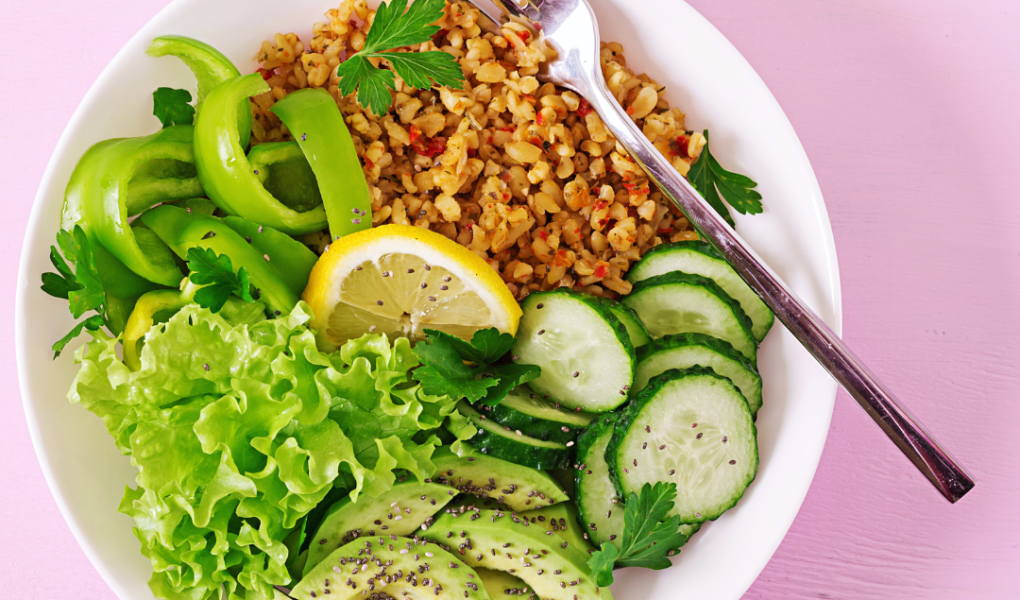
Grain bowls offer a balanced meal with complex carbohydrates, lean proteins, and vegetables in one dish. Use whole grains like quinoa, brown rice, or farro for sustained energy and added fiber.
Add lean protein sources such as grilled chicken, tofu, or chickpeas. Incorporate fresh or roasted vegetables like spinach, bell peppers, or broccoli for vitamins and minerals.
Dress with a small amount of olive oil, lemon juice, or a low-calorie vinaigrette to keep calories in check. Grain bowls are versatile and customizable, making them ideal for weight management.
Low-Calorie Wraps
Wraps can be a convenient lunch option when made with low-calorie, nutrient-dense ingredients. Use whole-wheat or low-carb tortillas for additional fiber.
Fill wraps with lean proteins such as turkey breast, grilled fish, or black beans. Add plenty of fresh vegetables like lettuce, tomatoes, cucumbers, and bell peppers for crunch and micronutrients.
Limit high-calorie sauces and opt for mustard, hummus, or Greek yogurt-based dressings. Wraps are easy to eat on the go and help control portion sizes.
Meal Prep Salads
Meal-prep salads support weight loss by offering controlled portions and nutrient-dense components. Start with a base of leafy greens such as kale, spinach, or romaine.
Add sources of lean protein like boiled eggs, grilled shrimp, or cottage cheese to promote satiety. Include high-fiber vegetables, such as carrots, beets, or celery, to enhance digestion.
Use small amounts of healthy fats like avocado or nuts to improve nutrient absorption and increase fullness. Prepare dressings separately to prevent sogginess and to monitor added calories.
Quick Dinner Solutions for Busy Evenings
Efficient dinners combine speed, nutrition, and minimal cleanup. These options focus on using fewer ingredients but still deliver balanced meals that support weight loss. They also keep preparation time short, making them ideal for hectic nights.
Sheet Pan Meals
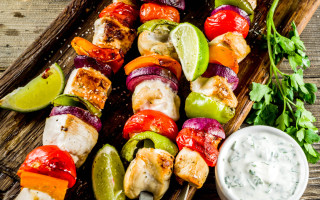
Sheet pan meals are convenient because they allow cooking proteins and vegetables simultaneously. By spreading ingredients on a single tray, you save time on both cooking and washing dishes. Choose lean proteins like chicken breast, salmon, or tofu paired with non-starchy vegetables such as broccoli, bell peppers, and zucchini.
Season simply with olive oil, herbs, salt, and pepper. Roast at 400°F for 20-25 minutes until everything is cooked through. These meals provide a good balance of protein, fiber, and healthy fats, which help keep you full and satisfied without excess calories.
Stir-Fry Inspirations
Stir-frying is fast and locks in nutrients. Use a high-smoke-point oil like avocado or peanut oil to cook bite-sized lean meats, shrimp, or tempeh quickly. Add plenty of colorful vegetables like snap peas, carrots, mushrooms, and bok choy to increase fiber.
Use low-sodium soy sauce or tamari combined with a splash of rice vinegar or ginger for flavor without added sugars. Serve over a small portion of brown rice or quinoa to keep the meal filling but low-calorie. The high heat keeps cooking under 10 minutes for a simple, nutritious dinner.
One-Pot Recipes
One-pot dinners limit dishes and reduce meal prep effort. Soups, stews, or grain and legume combinations work well. Examples include lentil soup with spinach and tomatoes or quinoa with black beans and mixed vegetables.
These recipes allow cooking everything in a single pot or pan, blending flavors while saving time. Focus on ingredients high in fiber and lean protein to support fullness and weight loss. One-pot meals are easy to portion and store for leftovers, making them perfect for busy schedules.
Satisfying Snacks That Help You Stay on Track
Choosing snacks that balance nutrition and convenience helps maintain energy and control hunger between meals. Focus on options rich in protein, fiber, and healthy fats to support weight loss without sacrificing satisfaction.
Protein-Packed Bites
Protein keeps you full longer by slowing digestion and stabilizing blood sugar. Snacks like hard-boiled eggs, roasted chickpeas, or small servings of lean turkey slices offer a solid protein boost without excess calories.
Greek yogurt and cottage cheese are versatile as standalone snacks or paired with nuts for added texture and healthy fats. For plant-based options, consider edamame or hummus with whole-grain crackers. These choices promote muscle maintenance and reduce cravings.
Fresh Veggie Options
Fresh vegetables provide fiber, vitamins, and minerals, without many calories, making them ideal for weight loss snacks. Crunchy options like carrot sticks, cucumber slices, or bell pepper strips satisfy the urge for something fresh and crisp.
Pair veggies with low-calorie dips such as salsa, guacamole, or tahini to enhance flavor and add healthy fats. Prepping colorful veggie trays in advance makes grabbing a nutrient-dense snack easy and quick.
Simple Yogurt Mixes
Choosing plain, unsweetened yogurt lets you control added sugars and calories. Mix in low-sugar fruit like berries or chopped apple for natural sweetness and antioxidants.
Add-ins such as chia seeds, flaxseeds, or a small handful of nuts increase fiber, omega-3s, and protein content. Keep portions moderate to manage calorie intake while enjoying a creamy, satisfying snack that supports metabolism and digestion.
Meal Planning Strategies to Save Time and Calories
Efficient meal planning cuts down kitchen time and calories without sacrificing nutrition. It involves preparing multiple meals at once, organizing a focused grocery list, and using devices that speed up cooking to maintain healthy eating habits.
Batch Cooking Essentials
Batch cooking means preparing several meals or large portions in one session. Choose recipes that store well, such as soups, stews, and roasted vegetables. Cooking grains like quinoa or brown rice in bulk saves daily cooking time.
Invest in airtight containers for portion control and freshness. Divide meals into single servings to avoid overeating. Label containers with dates to track freshness. Cooling meals quickly before refrigeration reduces foodborne risks.
Plan meals around common ingredients to minimize preparation steps. For example, roast vegetables and protein together, then combine with different sauces or spices to add variety without extra cooking time.
Grocery List Tips
Create a grocery list based on your planned meals, emphasizing whole foods like lean proteins, fresh vegetables, and legumes. Group items by store sections (produce, dairy, meats) to avoid wandering aisles and impulsive purchases.
Use a digital app or a printed list to track what you already have at home, reducing waste and duplicate buys. Include versatile staples such as canned beans, frozen veggies, and whole grains that last longer and support quick meal prep.
Stick to the list to maintain calorie control. Avoid buying high-calorie snack items or processed foods that can undermine weight loss goals. Prioritize nutrient-dense items to balance calorie intake.
Time-Saving Appliances
Appliances like slow cookers, pressure cookers, and air fryers streamline meal prep. Pressure cookers reduce cooking times for grains and legumes from hours to minutes, retaining nutrients and flavor.
Slow cookers allow unattended cooking that fits into busy schedules. You can set ingredients in the morning and have a ready-to-eat meal by dinner, cutting down on last-minute cooking stress.
Air fryers use hot air circulation to quickly cook meals with less oil, making crispy textures healthier. These devices minimize active cooking without compromising taste, supporting calorie control through portion size and ingredient choice.
Staying Motivated and Consistent with Quick Meal Prep
Maintaining motivation and consistency requires clear routines and measurable progress. Small daily actions and tracking improvements keep efforts aligned with weight loss goals.
Building Lasting Habits
Start by scheduling specific times for meal prep to create a routine. Preparing ingredients in bulk, like chopping vegetables or cooking grains ahead, saves time and reduces decision fatigue.
Use simple tools such as timers or meal prep apps to remind you. Stick to a limited set of recipes to avoid overwhelm while ensuring variety over weeks.
Adopt a mindset focused on incremental progress. Treat quick meals as non-negotiable commitments rather than optional tasks. This increases long-term adherence and reduces the likelihood of reverting to unhealthy choices.
Tracking Progress Effectively
Monitor both qualitative and quantitative data. Record meals, portion sizes, and energy levels to identify patterns that support or hinder goals.
Use a habit tracker or spreadsheet for consistency. Mark completed meal preps and noted how they influence hunger or cravings throughout the day.
Review progress weekly, adjusting portions or ingredients based on weight loss trends. Regular tracking reinforces accountability and helps maintain focus on the desired outcome.
Customizing Quick Meals for Your Dietary Needs
Adapting quick meals to fit specific dietary requirements ensures both nutrition and convenience. Focus on ingredient swaps, cooking methods, and balanced nutrients that align with your personal health goals.
Vegetarian and Vegan Adaptations
Replace animal proteins with plant-based options like lentils, chickpeas, tofu, or tempeh for a quick protein boost. Incorporate a variety of colorful vegetables and whole grains to maintain nutrient diversity. Use vegetable broth or plant-based sauces instead of dairy or meat-based products to keep meals vegan-friendly.
For quick meals, try stir-fries with tofu and mixed veggies or grain bowls featuring quinoa, beans, avocado, and a lemon-tahini dressing. Nutritional yeast can add a cheesy flavor without dairy, while fortified plant milks provide extra B12 and calcium. Avoid highly processed meat substitutes when possible, as they may contain added sugars or unhealthy fats.
Gluten-Free Quick Meal Ideas
To stay gluten-free, prioritize naturally gluten-free staples such as rice, potatoes, corn, and gluten-free oats. Avoid wheat, barley, and rye, and check labels carefully on pre-packaged items like sauces and seasonings for hidden gluten sources.
Quick gluten-free meals may include salads with grilled chicken and quinoa, stir-fries using tamari (gluten-free soy sauce), or simple omelets with vegetables. Use certified gluten-free pasta or wraps for variety. When baking, substitute wheat flour with almond flour, coconut flour, or gluten-free all-purpose blends to maintain texture and taste without gluten.
Conclusion
Quick meals can be effective tools for weight loss when chosen thoughtfully. Prioritizing nutrient-dense ingredients ensures you get enough protein, fiber, and healthy fats without excessive calories.
Meal prep and simple recipes reduce the temptation to opt for unhealthy convenience foods. Consistency in making good choices matters more than perfection.
Key tips to remember:
- Use lean proteins like chicken, fish, or legumes.
- Incorporate plenty of vegetables for volume and nutrients.
- Choose whole grains or low-calorie alternatives.
- Limit added sugars and heavy sauces.
Preparing meals in advance saves time and supports weight management goals. Simple swaps, like using Greek yogurt instead of sour cream, can cut calories without sacrificing taste.
Focus on balanced portions to stay satisfied and energized. Quick meals do not have to be complicated or bland; they should fit your lifestyle and preferences seamlessly.