
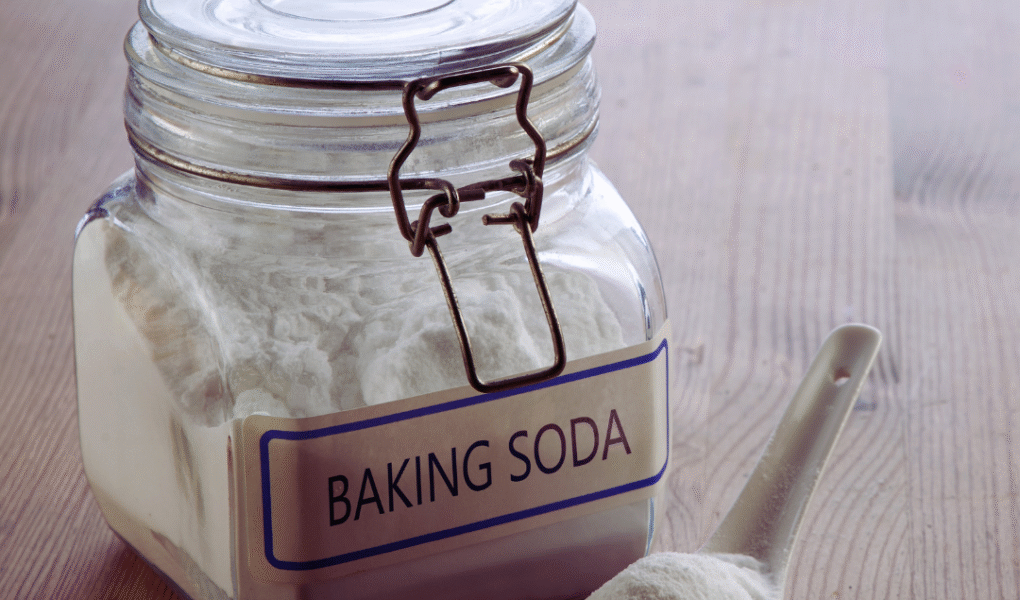
Baking soda and baking powder are both essential leavening agents used in baking, but they serve distinct purposes. Baking soda is a pure chemical compound, sodium bicarbonate, that requires an acid to activate, while baking powder contains sodium bicarbonate along with an acid (often cream of tartar) and a moisture-absorbing agent. This means that baking powder can be used in recipes without additional acidic ingredients.
When it comes to their functions in recipes, baking soda is typically used in combination with acidic elements like yogurt, vinegar, or lemon juice. In contrast, baking powder provides a complete leavening solution on its own. Understanding these differences can significantly impact the texture and rise of baked goods, making it crucial for anyone looking to improve their baking skills.
The choice between the two can affect not only the taste but also the outcome of the recipe. By recognizing when to use each ingredient, bakers can ensure their creations turn out light, fluffy, and delicious.
What Is Baking Soda?
Baking soda, also known as sodium bicarbonate or bicarb, is a versatile compound used in various culinary applications. It acts as a leavening agent, creating carbon dioxide that helps baked goods rise. Its reactivity depends on the presence of acidic ingredients.
Sodium Bicarbonate and Chemical Properties
Sodium bicarbonate is a white crystalline powder with various uses. It is chemically represented as NaHCO₃. When it dissolves in water, it produces sodium ions and bicarbonate ions. This compound is alkaline, which allows it to react with acids, leading to an increase in pH.
When heated or mixed with acids, sodium bicarbonate undergoes a chemical reaction that generates carbon dioxide gas. This process contributes to the light and airy texture of baked goods.
How Baking Soda Produces Carbon Dioxide in Baking
When baking soda is combined with an acidic ingredient, it reacts to release carbon dioxide bubbles. This reaction starts immediately upon mixing the ingredients, making it crucial for a quick bake.
The carbon dioxide bubbles create space within the dough or batter, causing it to expand. This leavening action is vital for the rise and texture of various baked items such as cakes and muffins.
Common Acidic Ingredients Used with Baking Soda
Baking soda needs acidic ingredients to activate its leavening properties. Common acidic components include:
- Vinegar
- Lemon juice
- Yogurt
- Cream of tartar
- Buttermilk
- Sour cream
- Molasses
- Brown sugar
When these ingredients are included in a recipe, they initiate the reaction with baking soda, producing carbon dioxide. Each of these acids contributes unique flavors and textures, enhancing the final product.
What Is Baking Powder?
Baking powder is a crucial leavening agent used in baking to create light and airy textures in various recipes. It contains a combination of ingredients that produce carbon dioxide gas when mixed with liquid and heat, contributing to the rising process in baked goods.
Composition of Baking Powder
Baking powder typically consists of three main components: an acid, a base, and a filler. The acid can include compounds such as monocalcium phosphate or sodium aluminum sulfate. The base is usually baking soda (sodium bicarbonate), while the filler is often cornstarch or another type of starch.
Starch serves multiple purposes: it helps absorb moisture, prevents premature reactions between the acid and base, and ensures even distribution throughout the mixture. When combined, these ingredients create a balanced leavening system suitable for various recipes.
Single-Acting vs. Double-Acting Baking Powder
Baking powder is available in two forms: single-acting and double-acting. Single-acting baking powder releases carbon dioxide when it comes into contact with moisture. This means that bakers need to work quickly after mixing the ingredients to achieve the desired rise.
Double-acting baking powder, on the other hand, releases carbon dioxide in two phases. The first reaction occurs when the baking powder is mixed with wet ingredients, while the second occurs with exposure to heat during baking. This provides more flexibility and reliability in achieving a proper rise.
How Baking Powder Leavens Recipes
The leavening process begins when baking powder is mixed with liquid ingredients. The acid-base reaction produces carbon dioxide gas, which forms bubbles in the batter or dough. As the mixture is heated during baking, these bubbles expand, causing the texture to rise.
This chemical leavening process is essential for creating light and fluffy baked goods. It allows cakes, muffins, and other items to achieve their characteristic structure. The amount of baking powder used can significantly affect the final texture and appearance of the finished product.
Role of Starch and Other Ingredients in Baking Powder
Starch is a key ingredient in baking powder that plays several roles. Its primary function is to act as a stabilizer by preventing the components from interacting prematurely. By absorbing moisture, starch ensures that other ingredients remain inactive until they are combined with wet elements in a recipe.
Additionally, other ingredients present in baking powder, such as cornstarch, contribute to the overall effectiveness of the leavening agent. These components work together to provide consistent results in baking. Proper storage of baking powder is also important, as exposure to humidity can reduce its effectiveness.
Key Differences Between Baking Soda and Baking Powder
Baking soda and baking powder serve as essential leavening agents in baking. Their chemical compositions and reactions are distinct, leading to different applications and substitute measures in various recipes.
Leavening Reactions and Acidity
Baking soda, or sodium bicarbonate, is an alkaline compound that requires an acid to activate. Common acids include vinegar, lemon juice, or yogurt. When combined, they produce carbon dioxide, creating a leavening effect.
Baking powder contains both an acid and a base, typically in the form of cream of tartar. It can act alone in recipes without additional acidic ingredients. There are two types of baking powder: single-acting and double-acting. Double-acting powders release gas during mixing and baking, ensuring a consistent rise in cakes, muffins, and cookies.
Applications in Common Baking Recipes
Baking soda is often favored in recipes that include acidic components. When baking with natural cocoa powder or ingredients like honey and applesauce, baking soda enhances flavor and texture while providing leavening.
Baking powder is versatile and often appears in cakes, pancakes, and muffins, where a balanced rise is crucial. Its ability to work independently makes it ideal for recipes that do not include acidic ingredients. Understanding the specific role of each leavening agent helps achieve desired outcomes in baked goods.
Substitution and Recipe Adjustments
Substituting baking soda for baking powder can be done, but adjustments are necessary. Typically, one may use about one-quarter of the amount of baking powder. To maintain leavening, an acid must be added to balance the alkalinity.
Conversely, substituting baking powder for baking soda is not as straightforward, as baking powder contains both acid and base. In recipes calling for baking soda, additional measures must be taken to ensure proper acid balance. A common adjustment includes adding extra acidic ingredients to achieve the intended rise and texture in baking.
Practical Tips for Successful Baking
Successful baking relies on the right leavening agents and proper techniques. Choosing the appropriate ingredient and addressing common issues can significantly impact the outcome of baked goods.
Choosing the Right Leavening Agent for Your Recipe
When selecting a leavening agent, it’s crucial to understand the recipe’s requirements. Baking soda and baking powder serve different purposes.
- Baking Soda: It requires an acid to activate. Use it in recipes that include components like yogurt, buttermilk, or vinegar.
- Baking Powder: It contains both an acid and a base. It’s ideal for recipes without additional acidic ingredients.
When substituting one for the other, adjustments must be made. Typically, one teaspoon of baking soda equals three teaspoons of baking powder. Proper measurement ensures effective leavening, leading to desired texture and rise.
Troubleshooting Common Baking Issues
Baking can present challenges that affect results. Identifying and solving these issues can improve the final product.
- Dense Baked Goods: Often caused by the insufficient leavening agent. Ensure proper measurement and freshness.
- Too Much Rise: This can occur with excess leavening. Reducing the amount slightly can yield a better balance.
- Flat Results: Could result from expired baking powder or inactivity of baking soda. Always check the expiration dates before use.
- Crumbly Texture: This may stem from overmixing or too little fat. Adjusting mixing techniques and fat quantities can help achieve proper texture.
Focusing on these common problems culminates in successful baking outcomes.