Meal prepping is a practical way to maintain a healthy diet while saving time during busy weeks. The best healthy meal prep ideas focus on balanced nutrition, easy-to-make recipes, and ingredients that store well for several days.
Choosing meals with a mix of lean proteins, whole grains, and vegetables ensures variety and keeps you energized. Simple techniques like batch cooking, portion control, and using versatile ingredients make meal prep both efficient and sustainable.
Incorporating a few key tips and recipes can transform your approach to eating, helping you stay on track without feeling restricted. This article covers straightforward ideas to keep your meals nutritious and enjoyable throughout the week.
Benefits of Healthy Meal Prep
Healthy meal preparation helps streamline daily eating habits by making meals accessible, balanced, and budget-friendly. It supports consistent nutrition, reduces decision fatigue, and manages grocery expenses effectively.
Time-Saving Advantages
Meal prepping minimizes daily cooking time, allowing multiple meals to be prepared in one session. This saves up to several hours each week that would otherwise be spent deciding what to cook and washing dishes multiple times.
Pre-cooked meals can be easily reheated or packed for on-the-go consumption, which simplifies busy workdays or unexpected schedule changes. Time saved can be redirected towards work, exercise, or relaxation without compromising food quality.
Planning meals ahead also reduces last-minute grocery trips, cutting down time spent in stores. Batch cooking eliminates repetitive tasks and speeds up the overall cooking process.
Nutritional Benefits
Preparing meals in advance ensures better control over ingredients and portion sizes. It encourages balanced meals with appropriate amounts of protein, vegetables, and healthy fats.
Meal prepping reduces reliance on processed or fast foods, which tend to be higher in sodium, sugar, and unhealthy fats. This shift supports improved digestion, energy levels, and weight management.
Tracking meals becomes easier when prepping, making it simpler to meet specific dietary goals or restrictions. This can aid in managing conditions like diabetes, cholesterol, or food allergies.
Cost-Effectiveness
Bulk purchasing of ingredients lowers the cost per meal, making healthy eating more affordable. Buying staples like grains, beans, and vegetables in larger quantities reduces packaging waste and expenses.
Meal prep reduces food waste by using all purchased ingredients efficiently. Leftovers are incorporated into new dishes or consumed promptly, preventing spoilage.
Avoiding frequent takeout or dining out cuts down substantially on weekly food spending. Investing time in meal prep optimizes your grocery budget and stretches resources further.
Essential Meal Prep Planning
Effective meal prep requires selecting the right recipes, organizing your shopping efficiently, and setting a reliable schedule for cooking and packing. These steps help maintain consistency and save time across the week.
Choosing Balanced Recipes
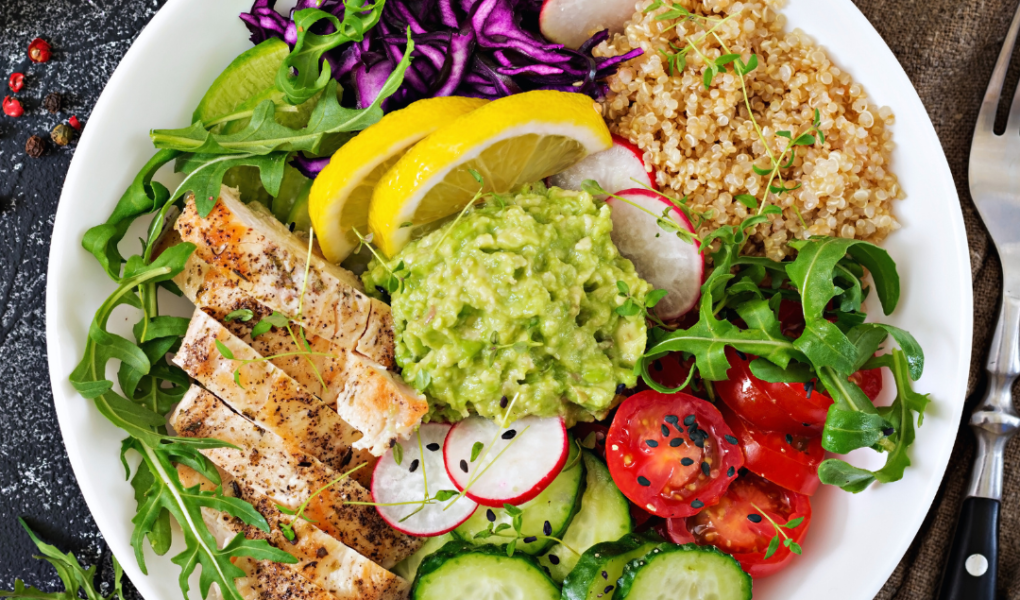
Focus on recipes that include a variety of macronutrients: proteins, carbohydrates, and healthy fats. For example, lean chicken breast with quinoa and roasted vegetables provides a complete meal with fiber, vitamins, and minerals.
Aim for recipes that use whole foods and avoid excessive added sugars or processed ingredients. Choose meals that are easy to store and reheat, like casseroles, stir-fries, and grain bowls. Portion control matters, so plan servings that match your dietary needs.
Consider incorporating plant-based proteins such as beans or tofu alongside lean meats. This variety improves nutrient intake and keeps meals interesting throughout the week.
Creating a Grocery List
Write your list based on the recipes selected. Group items by category—produce, proteins, grains, dairy, and spices—to streamline the shopping process.
Check what staples you already have to avoid buying duplicates. Use quantities aligned with your meal portions to reduce food waste.
Include versatile ingredients that can be used across several meals to maximize efficiency. For example, spinach, bell peppers, and olive oil work well in multiple dishes.
Double-check for perishables and schedule purchases accordingly, so fresh ingredients don’t spoil before use.
Scheduling Prep Days
Choose specific days dedicated to meal prep, commonly weekends or midweek. Block out 2-3 hours for cooking, cooling, portioning, and storing meals in airtight containers.
Prepare ingredients in bulk, such as washing and chopping vegetables or cooking grains all at once. This approach reduces repetitive tasks and accelerates daily meal assembly.
Label meals with dates to keep track of freshness and avoid spoilage. Rotate recipes weekly to prevent monotony and maintain variety.
Stick to your schedule consistently to build a habit that supports healthy eating goals.
Healthy Meal Prep Tips and Techniques
Efficient meal prep requires organized cooking methods, accurate portion control, smart storage choices, and strict food safety. Each step supports maintaining nutrition, reducing waste, and saving time.
Batch Cooking Strategies
Batch cooking involves preparing large quantities of meals or ingredients at once. Focus on versatile ingredients like grilled chicken, roasted vegetables, or rice that can be mixed into multiple meals throughout the week.
Cook in stages to optimize time—start with proteins, then grains, and finish with vegetables. Use slow cookers or instant pots to free up stove space. Preparing sauces or dressings separately allows customization and keeps meals from becoming repetitive.
Label each batch with the date and dish name. This helps track freshness and prevents unnecessary food waste. Rotate meals in your menu to maintain variety and nutrient balance.
Proper Portioning Methods
Portion control helps maintain calorie balance and nutritional goals. Use a digital kitchen scale to measure ingredients precisely rather than relying on visual estimates.
Divide meals into individual containers based on macronutrient ratios or calorie targets. Standard containers of 1, 2, or 3 cups help standardize portions for different meal types, such as main dishes versus sides.
Include a mix of protein, carbohydrates, and healthy fats in each portion. Label containers with calorie or macronutrient info if tracking intake. Consistent portioning reduces overeating and ensures balanced nutrition.
Efficient Storage Solutions
Use airtight containers made of BPA-free plastic, glass, or stainless steel to preserve food quality. Choose stackable containers to maximize fridge or freezer space.
Store sauces or dressings separately to prevent sogginess. Use freezer-safe containers or bags for meals intended for longer storage. Freeze in flat layers for quicker thawing.
Organize storage by date using a first-in, first-out system to minimize spoilage. Clear containers or labeling improve meal visibility and choice during busy days.
Safe Food Handling
Clean work surfaces, hands, and utensils thoroughly before and after meal prep. Avoid cross-contamination by using separate cutting boards for raw protein and vegetables.
Cook proteins to appropriate internal temperatures—165°F (74°C) for poultry, 145°F (63°C) for beef steaks or chops. Use a food thermometer to verify safety.
Cook meals quickly by dividing them into small portions before refrigerating within two hours. Store cooked meals at or below 40°F (4°C) and consume refrigerated food within 3-4 days.
Reheat leftovers to at least 165°F (74°C) before eating. Following these guidelines prevents foodborne illnesses and keeps meals safe across the week.
Breakfast Meal Prep Ideas
Healthy breakfast options can save time and provide balanced nutrition to start your day. Combining fiber, protein, and healthy fats helps maintain energy and fullness throughout the morning.
Overnight Oats Variations
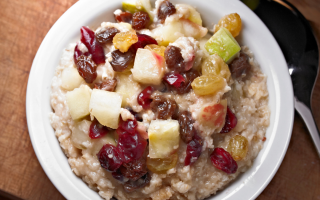
Overnight oats are a convenient, no-cook option that can be customized easily. Start with rolled oats and your choice of milk or yogurt.
Add flavors like cinnamon, vanilla extract, or cocoa powder for variety. Including chia seeds, flaxseeds, or nuts boosts fiber and omega-3s. Fresh or frozen fruits, such as berries, apples, or bananas, provide natural sweetness and antioxidants.
Store the oats in individual jars for grab-and-go meals. Prepare up to 4-5 days ahead. This method requires minimal prep and delivers a well-rounded combination of carbohydrates, protein, and healthy fats.
Pre-Made Egg Muffins
Egg muffins offer a high-protein breakfast that reheats quickly. Whisk eggs with vegetables like spinach, bell peppers, and tomatoes. Add lean proteins such as turkey or chicken sausage for extra sustenance.
Use a muffin tin to bake portions that fit your meal plan. Season with herbs and spices like pepper, garlic powder, or paprika to enhance flavor without extra calories.
Egg muffins are rich in protein and low in carbohydrates, promoting muscle maintenance and sustained energy release. Store them in the refrigerator for up to four days or freeze for longer preservation.
Healthy Smoothie Packs
Smoothie packs streamline breakfast by combining ingredients in pre-portioned bags. Use a mix of fruits, leafy greens, and protein sources like Greek yogurt or protein powder.
Common combinations include spinach, banana, and mango or kale, berries, and avocado. Adding seeds or nut butters provides healthy fats that aid the absorption of fat-soluble vitamins.
Freeze the packs and blend with a liquid of choice each morning. This method reduces prep time and minimizes food waste while ensuring a nutrient-rich start. Smoothie packs are adaptable to various dietary needs and taste preferences.
Lunch Meal Prep Ideas
Efficient lunch meal prep focuses on balance, flavor, and easy assembly. Incorporating grains, proteins, and fresh ingredients ensures meals stay satisfying and nutritious throughout the week.
Grain Bowl Combinations
Grain bowls offer versatility by combining whole grains, vegetables, and protein in one container. Start with a base like quinoa, brown rice, or farro for fiber and sustained energy.
Add roasted vegetables such as sweet potatoes, bell peppers, and broccoli. Include a protein source like grilled chicken, chickpeas, or tofu to boost muscle support.
Top with healthy fats such as avocado slices or a drizzle of olive oil-based dressing. Season with herbs and spices like cumin, garlic, or lemon juice to enhance flavor without extra calories.
Protein-Packed Salads
Protein-rich salads help maintain fullness and support muscle repair. Use greens like spinach, kale, or mixed lettuces as a foundation.
Incorporate hard-boiled eggs, canned tuna, or cooked lentils for lean protein. Add crunchy toppings like nuts or seeds for texture and healthy fats.
Choose dressings with minimal added sugars and oils. A simple vinaigrette with olive oil, apple cider vinegar, and mustard works well and can be pre-portioned to keep salads fresh.
Make-Ahead Wraps
Wraps are convenient and portable, perfect for busy lunch times. Use whole-grain tortillas or lettuce leaves to keep carbs in check.
Fill with lean proteins such as turkey, hummus, or grilled tempeh. Add fiber and crunch with sliced cucumbers, shredded carrots, and bell peppers.
Roll tightly and store in airtight containers to prevent sogginess. Pair with a side of fresh fruit or raw veggies for a balanced meal.
Dinner Meal Prep Ideas
Efficient dinner prep balances nutrition, flavor, and convenience. Choosing methods that lock in nutrients and simplify cooking ensures meals stay fresh and enjoyable throughout the week.
Sheet Pan Meals
Sheet pan meals combine proteins and vegetables on one baking tray, reducing cleanup and cooking time. Popular options include chicken with broccoli and sweet potatoes or salmon with asparagus and cherry tomatoes.
These meals roast evenly at around 400°F for 20-30 minutes, depending on ingredients. Seasoning with olive oil, garlic, herbs, and spices boosts flavor without adding excess calories.
Sheet pan dinners maintain texture and nutrients well, making them ideal for meal prep. Store portions in airtight containers and reheat in the oven or microwave.
Slow Cooker Recipes
Slow cooker recipes allow for set-it-and-forget-it preparation, perfect for busy evenings. Ingredients like lean meats, beans, root vegetables, and low-sodium broths develop rich flavors over hours.
Examples include turkey chili, beef stew with carrots, or lentil curry with spinach. Slow cooking tenderizes tougher cuts, which can be more affordable.
To meal prep, divide cooked slow cooker dishes into servings. Most keep well refrigerated for 3-4 days and freeze easily. This method is energy-efficient and supports batch cooking.
Stir-Fry Options
Stir-frying uses high heat and minimal oil to quickly cook bite-sized pieces of protein and vegetables. Options include chicken with bell peppers, tofu with snap peas, or shrimp with broccoli.
Use heart-healthy oils like avocado or canola and flavor with low-sodium soy sauce, ginger, and garlic. Stir-fries retain crispness and nutrients due to short cooking time.
For meal prep, cook rice or noodles separately, then combine with stir-fried ingredients before storing. This method offers flexibility to swap proteins and vegetables based on preference.
Snack and On-the-Go Meal Prep Ideas
Preparing snacks and meals that are easy to grab and nutrient-rich can keep energy levels steady throughout the day. Focusing on balanced options with protein, healthy fats, and fiber helps maintain fullness and supports overall health.
Nutrient-Dense Snack Packs
Snack packs combining fruits, nuts, and vegetables provide portable energy and essential vitamins. Examples include apple slices paired with almond butter or carrot sticks with hummus.
Use resealable containers or small jars to organize portions. A typical pack might contain:
- 1/4 cup mixed nuts (almonds, walnuts)
- 1/2 cup raw vegetables (cucumber, bell peppers)
- 1 small fruit (berries or a clementine)
This mix delivers healthy fats, fiber, and antioxidants, all important for sustained energy and digestion. Avoid packs heavy in processed sugars or refined carbs to prevent energy crashes.
Easy Protein Bites
Protein bites are simple to prepare and offer a quick nutrient boost. Ingredients often include nut butter, oats, protein powder, and seeds.
Recipes usually involve mixing wet and dry ingredients, shaping them into balls, and refrigerating. Here’s a common formula:
- 1 cup rolled oats
- 1/2 cup nut butter (peanut or almond)
- 1/4 cup honey or maple syrup
- 1/4 cup protein powder
- 2 tablespoons chia or flax seeds
These bites provide a balanced mix of protein, fiber, and healthy fats, making them suitable for morning or afternoon snacking. Store in the fridge to maintain freshness for up to a week.
Meal Prep for Special Diets
Adapting meal prep to fit dietary needs requires thoughtful ingredient choices and preparation techniques. Each diet has specific requirements that influence protein sources, carbohydrate levels, and potential allergens.
Vegetarian and Vegan Choices
Plant-based meal prep revolves around nutrient-dense ingredients such as legumes, tofu, tempeh, and a variety of vegetables. Incorporating quinoa, lentils, and chickpeas ensures adequate protein. Leafy greens and colorful vegetables provide essential vitamins and minerals.
For vitamin B12 and omega-3 fats, consider fortified foods or supplements as part of the plan. Pre-roasting vegetables like sweet potatoes and bell peppers saves time and enhances flavor. Use different herbs and spices to keep meals varied and appealing.
Meal combinations like a quinoa salad with black beans and avocado or a tofu stir-fry with mixed vegetables maintain balance and prevent monotony.
Low-Carb and Keto-Friendly Options
Keto and low-carb meal prep focuses on high-fat, moderate-protein, and low-carbohydrate foods. Typical ingredients are avocados, nuts, seeds, cheese, and fatty fish like salmon.
Vegetables should be low-carb options like zucchini, spinach, and cauliflower. Cauliflower rice or zoodles can replace traditional grains and pasta. Protein sources include eggs, chicken, and beef, but watch portions to maintain fat-to-protein ratios.
Planning snack portions of nuts or cheese helps control carb intake. Using cooking fats such as olive oil or coconut oil supports the diet’s fat requirements. Batch cooking items like egg muffins or stuffed peppers simplifies meal prep while maintaining macro balance.
Gluten-Free Meal Solutions
Gluten-free meal prep needs the avoidance of wheat, barley, rye, and their derivatives. Substitute with naturally gluten-free grains, including rice, buckwheat, millet, and gluten-free oats.
Cross-contamination is critical to avoid; use separate utensils and containers if preparing gluten and gluten-free meals simultaneously. Incorporate potatoes, legumes, fruits, and vegetables to diversify nutrient intake.
Meal examples include stuffed bell peppers with quinoa and chickpeas, or grilled chicken with roasted vegetables and brown rice. Check labels carefully when buying processed foods to confirm gluten absence.
Storing and Reheating Prepped Meals
Keeping meal preps fresh and safe involves using the right containers and reheating methods. Proper storage maintains flavor and texture, while reheating techniques ensure meals stay nutritious and tasty.
Best Containers for Freshness
Choose airtight containers made of BPA-free plastic, glass, or stainless steel to maintain freshness. Glass containers are preferred for their non-reactive surface and ease of cleaning. Look for containers with sealed lids to prevent air exposure.
Use portion-sized containers for balanced meals and easier reheating. Label each container with the date prepared using masking tape or markers to track freshness. Store prepped meals in the refrigerator for up to 4 days or freeze for up to 3 months.
Avoid using containers that retain odors or stain easily, like low-quality plastics. Separate sauces and wet ingredients into small containers to prevent sogginess.
Reheating Techniques
Reheat meals evenly to preserve texture and nutrients. For microwave reheating, cover containers with microwave-safe lids or damp paper towels to retain moisture.
Stir or rotate food halfway through reheating to avoid cold spots. Reheat to an internal temperature of 165°F (74°C) to ensure safety.
Avoid overheating, which degrades texture and flavor. For crispier foods, use a toaster oven or conventional oven at 350°F (175°C) for a few minutes instead of the microwave.
Use the stove reheating for soups or stews, stirring occasionally to heat evenly. Always check the temperature before consuming.
Common Meal Prep Mistakes to Avoid
Mistakes in meal prep can lead to wasted time, spoiled food, and uninspired meals. Understanding how to simplify recipes, store food correctly, and maintain diversity in meals is essential to making meal prep successful and sustainable.
Overcomplicating Recipes
Using overly complex recipes can turn meal prep into a chore rather than a helpful routine. Recipes with too many ingredients or steps increase preparation time and cleanup, making it harder to stick to the plan.
Focus on meals with simple, versatile ingredients that can be prepared in bulk. For example, roasting chicken, steaming vegetables, and cooking grains separately allows mixing and matching throughout the week without repetitive effort.
Aim for 5-7 ingredients per dish. This keeps preparation manageable while allowing variety. Avoid specialized sauces or ingredients that are harder to find or store. The goal is efficient, tasty, and nutritious meals that don’t overwhelm.
Improper Storage
Improper food storage is a common cause of spoilage and wasted effort. Using the wrong container types or failing to cool food before refrigerating can lead to faster degradation.
Choose airtight containers that prevent moisture loss and contamination. Glass containers are durable and microwave-safe. Label each container with the date prepared to track freshness.
Cool hot foods completely before sealing and storing. This prevents condensation, which can promote bacterial growth. Avoid overcrowding your fridge or freezer to maintain proper airflow and consistent temperature.
Neglecting Variety
Eating the same meals repeatedly can lead to boredom and reduced motivation to continue prepping. Lack of variety also limits nutrient diversity, which is important for balanced health.
Rotate protein sources like chicken, fish, tofu, or legumes. Include different vegetables and mix up seasonings or dressings. Plan at least 3-4 distinct meals per week to maintain interest.
Creating a flexible meal structure lets you adjust ingredients based on availability and preferences. Variety in texture, flavor, and nutrients provides better satisfaction and supports healthy eating habits.