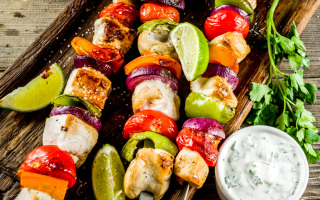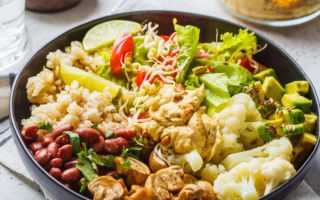
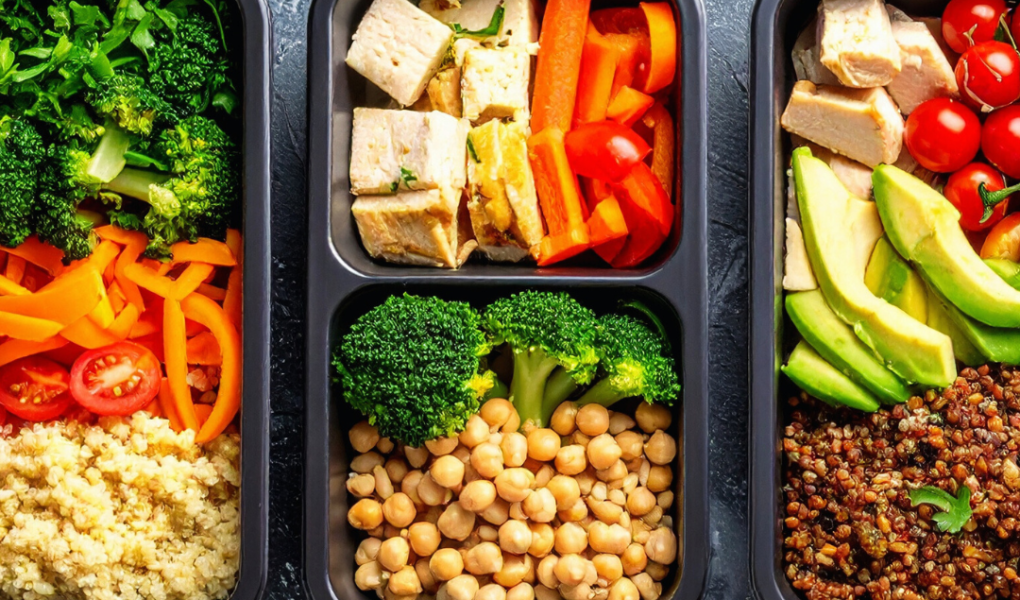
High-protein meals are essential for sustaining energy throughout the day by supporting muscle repair and stabilizing blood sugar levels. The best high-protein meals combine lean meats, legumes, nuts, and low-fat dairy to provide lasting fuel without crashes.
Choosing the right proteins helps maintain focus and physical stamina, especially during busy or active days. Balanced meals with a mix of protein and complex carbs optimize energy release.
This guide will explore practical meal ideas that deliver quality protein and support steady energy levels. Each option is designed for real-life convenience and nutritional effectiveness.
What Makes a Meal High in Protein?
A high-protein meal contains a substantial amount of protein relative to its calorie content. Protein quality, source variety, and balanced macronutrients all influence the effectiveness of these meals for sustained energy and muscle support.
Defining High Protein Content
A meal is generally considered high in protein if it provides at least 20–30 grams of protein per serving. This amount supports muscle repair, growth, and energy production.
Protein content is often measured in grams per serving or per 100 grams of food. For example, 3 ounces of chicken breast typically contain about 26 grams of protein.
In addition to quantity, the protein’s digestibility and amino acid profile matter. Complete proteins contain all nine essential amino acids necessary for bodily functions.
Types of Protein Sources
Protein sources are classified into complete and incomplete proteins. Animal-based proteins like meat, fish, eggs, and dairy are complete, supplying all essential amino acids.
Plant-based proteins such as beans, lentils, and nuts are often incomplete but can be combined to provide a full amino acid profile. For example, rice and beans together form a complete protein.
Choosing a variety of protein sources ensures nutrient diversity and can cater to dietary preferences or restrictions. High-protein meals often blend both animal and plant proteins for balance.
Macronutrient Balance in Meals
A high-protein meal should maintain an appropriate macronutrient ratio to support energy and digestion. Protein typically makes up 25–35% of total calories in these meals.
Carbohydrates and fats remain crucial as fuel sources. Complex carbohydrates provide sustained energy, while healthy fats aid in nutrient absorption and hormone regulation.
For example, a balanced high-protein meal might consist of 30% protein, 40% carbohydrates, and 30% fats. This ratio supports endurance and satiety without overloading any single macronutrient.
Benefits of High-Protein Meals for Energy
High-protein meals influence energy by affecting how the body metabolizes nutrients, supporting muscle function, and controlling hunger. These components together help maintain consistent energy levels throughout the day.
Sustained Energy Release
Protein takes longer to digest compared to carbohydrates, which slows down the release of energy. This gradual digestion prevents blood sugar spikes and crashes, contributing to a stable energy supply.
Including protein in meals also triggers the release of hormones that regulate glucose production in the liver. This regulation further helps in maintaining balanced blood sugar levels essential for steady energy.
For example, a meal combining lean chicken with vegetables and quinoa delivers protein and fiber, promoting a slow, steady energy release instead of rapid energy bursts.
Muscle Support and Recovery
Protein provides the amino acids necessary for muscle repair and growth, especially after physical activity. Proper muscle recovery helps reduce fatigue in subsequent activities, preserving overall energy.
Consuming adequate protein also supports muscle mass maintenance, which is critical as muscle tissue burns more calories and sustains energy metabolism. Maintaining muscle helps the body utilize energy efficiently.
For people engaging in regular exercise or manual labor, protein-rich meals reduce muscle breakdown and speed recovery, enabling better performance and endurance.
Appetite Regulation
Protein increases levels of satiety hormones like peptide YY and GLP-1, which help reduce hunger and control appetite. This effect leads to less frequent snacking and a reduced risk of energy dips from consuming sugary snacks.
High protein intake slows gastric emptying, meaning food stays in the stomach longer, enhancing the feeling of fullness. This mechanism helps avoid overeating, which can cause lethargy.
For instance, having a Greek yogurt snack between meals can sustain energy by curbing hunger without causing a calorie overload.
Key Ingredients for High-Protein Energy Meals
High-protein meals for energy rely on sources that provide essential amino acids, support muscle repair, and sustain energy levels. Combining different protein types can improve nutrient profiles and enhance satiety throughout the day.
Lean Animal Proteins
Lean animal proteins like chicken breast, turkey, and fish are excellent sources of complete proteins. They provide all nine essential amino acids necessary for muscle maintenance and optimal energy production.
These proteins are low in saturated fat, making them a healthy choice for sustained energy without excess calories. For example, a 3-ounce serving of skinless chicken breast contains about 26 grams of protein and minimal fat.
Egg whites and low-fat dairy products such as Greek yogurt also offer high-quality protein with added benefits, including vitamins and minerals that support metabolism and recovery.
Plant-Based Protein Options
Plant-based proteins like tofu, tempeh, and edamame offer complete or near-complete amino acid profiles. These options are effective for energy meals, especially when paired with complementary foods to cover all essential amino acids.
Legumes such as lentils and chickpeas contain significant protein alongside fiber, which supports digestion and sustained energy release. Nuts and seeds, while not as protein-dense, add healthy fats and micronutrients beneficial for overall health.
Combining grains with legumes in a meal increases the protein quality, a key strategy for those following vegetarian or vegan diets.
Protein-Rich Grains and Legumes
Whole grains like quinoa, farro, and brown rice provide moderate protein and important complex carbohydrates for steady energy. Quinoa is considered a complete protein, containing all essential amino acids in adequate amounts.
Legumes, including beans and peas, contribute both protein and fiber. Fiber slows digestion, helping to maintain stable blood sugar levels and prevent energy crashes.
Incorporating a variety of these grains and legumes supports balanced meals that fuel both immediate and long-lasting energy needs.
Best High-Protein Breakfast Ideas for Energy
Starting the day with a high-protein breakfast helps maintain steady energy and supports muscle health. Combining protein with other nutrients enhances satiety and mental focus throughout the morning.
Egg-Based Breakfasts
Eggs provide about 6 grams of complete protein per large egg, making them an excellent breakfast choice. Scrambled eggs or omelets paired with vegetables like spinach, tomatoes, and peppers boost nutrient density without excess calories.
Hard-boiled eggs are convenient and portable for busy mornings. Adding cheese or lean meats such as turkey or chicken sausage increases protein content further. A simple egg breakfast can deliver 15-25 grams of protein, fueling energy release and muscle repair.
High Protein Smoothies
Smoothies offer a quick, customizable option with around 20-30 grams of protein when made properly. Use protein powders like whey, pea, or soy combined with Greek yogurt or cottage cheese for a creamy texture.
Include fruits such as berries or bananas for vitamins and fiber. Adding a tablespoon of nut butter or seeds provides healthy fats and extra protein. These smoothies balance macronutrients well, supporting cognitive function and sustained energy.
Protein-Packed Oatmeal Variations
Oatmeal is a versatile base for combining protein-rich ingredients. Cooked oats alone have about 5 grams of protein per serving, but can be boosted by adding milk instead of water.
Top with ingredients like chia seeds, flaxseeds, nuts, or nut butter to increase protein up to 15-20 grams. Incorporating Greek yogurt on the side or mixing it in creates a creamier texture and adds protein. This combo aids in digestion and keeps energy levels stable through the morning.
High-Protein Lunches for Sustained Performance
Choosing balanced high-protein lunches supports consistent energy levels and mental focus. Meals combining lean proteins with fiber and healthy fats help maintain blood sugar stability throughout the afternoon.
Chicken and Turkey Meals
Chicken and turkey are excellent lean protein sources rich in essential amino acids, promoting muscle repair and sustained energy. Grilled chicken breast with quinoa and steamed vegetables offers a nutrient-dense option low in saturated fat.
For variety, a turkey and avocado wrap with a whole wheat tortilla adds fiber and healthy monounsaturated fats, which contribute to longer-lasting satiety. These poultry choices provide vitamin B6 and niacin, crucial for energy metabolism.
Fish and Seafood Dishes
Fish like salmon and tuna deliver high-quality protein and omega-3 fatty acids, supporting brain function and reducing inflammation. A salmon salad with mixed greens, cherry tomatoes, and a lemon vinaigrette combines protein with antioxidants and healthy fats.
Shrimp stir-fried with mixed vegetables and brown rice offers a quick, protein-rich lunch with essential minerals such as selenium and iodine, important for thyroid health and energy regulation.
Vegetarian Lunch Options
Plant-based proteins like lentils, chickpeas, and tofu offer substantial protein with fiber, aiding digestion and steady energy release. A lentil and vegetable stew provides iron and folate, key nutrients for maintaining energy and preventing fatigue.
Tofu stir-fry with broccoli and bell peppers delivers complete protein and vitamin C, which enhances iron absorption. Combining different plant proteins throughout the day ensures adequate intake of all essential amino acids.
Energizing High-Protein Dinners
High-protein dinners support muscle repair and sustained energy throughout the evening. Meals often combine balanced protein sources with fiber-rich vegetables or whole grains to enhance digestion and nutrient absorption.
Meat-Based Dinner Recipes
Lean meats like chicken breast, turkey, and lean cuts of beef deliver high protein with fewer calories. Grilled chicken with quinoa and roasted broccoli offers about 40 grams of protein per serving.
Pork tenderloin paired with steamed green beans and sweet potatoes provides a nutrient-dense option rich in zinc and vitamin C. For seafood lovers, baked salmon with asparagus is a great choice. Salmon packs omega-3 fatty acids alongside protein, aiding both energy and heart health.
Incorporate herbs and spices like rosemary, thyme, and garlic for flavor without added calories. Avoid heavy sauces that can add unnecessary fats and sugars.
Vegan and Plant-Based Dinners
Plant proteins like lentils, chickpeas, tofu, and tempeh supply essential amino acids when combined correctly. A lentil curry with spinach and brown rice reaches around 25-30 grams of protein and is fiber-rich.
Stir-fried tempeh with mixed vegetables and quinoa boosts protein and offers a full amino acid profile. Using nutritional yeast can enhance flavor and add B-vitamins.
Include a variety of legumes, nuts, seeds, and whole grains throughout the meal to ensure adequate protein intake. This approach supports muscle maintenance and even energy levels without animal products.
Quick High-Protein One-Pan Meals
One-pan dinners like chicken and vegetable stir-fry or sausage and kale skillet minimize cleanup and save time. These meals often combine protein, veggies, and healthy fats in one dish for balanced nutrition.
Examples include turkey sausage with bell peppers and onions or shrimp with garlic, spinach, and cherry tomatoes. Most one-pan dishes deliver 30 to 45 grams of protein per serving.
Use minimal oil and seasonings like smoked paprika or chili flakes to boost flavor without excess calories. One-pan meals simplify cooking while providing a concentrated source of protein and nutrients.
Snack Ideas: High-Protein Boosts for Energy
High-protein snacks provide steady energy and support muscle function during busy days. They can be quick to prepare or store, fitting well into varied routines and dietary preferences.
Portable Snacks for Busy Lifestyles
Portable snacks like beef jerky, roasted chickpeas, and mixed nuts are ideal for on-the-go energy. These options require no refrigeration and offer between 7 and 15 grams of protein per serving.
Protein-packed snack packs combining hard-boiled eggs and cheese sticks also work well. Items such as edamame pods or protein bars designed with at least 10 grams of protein keep hunger at bay during hectic schedules.
Homemade Protein Bars and Balls
Making your own protein bars and energy balls lets you control ingredients and protein content. Common bases include oats, nut butter, whey or plant protein powders, and seeds.
Combining dates or honey for natural sweetness with chia or flax seeds enhances fiber and omega-3 content. Recipes can easily provide 8 to 12 grams of protein per serving, making them both nutritious and customizable.
Dairy and Nut-Based Snack Options
Greek yogurt, cottage cheese, and string cheese offer dairy protein ranging from 10 to 15 grams per serving. They support satiety and are low in calories, making them efficient energy sources.
Nuts like almonds, pistachios, and walnuts contribute healthy fats and 6 to 8 grams of protein per ounce. Pairing nuts with dried fruit creates balanced snacks with quick carbs and longer-lasting protein energy.
Tips for Meal PreppingHigh-Proteinn Meals
Efficient meal prepping for high-protein meals requires careful planning, smart cooking methods, and proper storage to maintain freshness. Utilizing techniques that save time and effort will ensure meals stay nutritious and ready when needed.
Batch Cooking Techniques
Batch cooking involves preparing large quantities of protein-rich foods at once, such as grilled chicken breasts, baked tofu, or boiled eggs. Focus on nutrient-dense ingredients like lean meats, legumes, and quinoa, which hold up well over several days.
Divide cooked proteins into single-serving containers for easy portion control. Use versatile seasonings so meals don’t become repetitive. Combining proteins with fibrous veggies during batch cooking can streamline meal assembly further.
Storage and Reheating Methods
Store high-protein meals in airtight containers to preserve texture and flavor. Use BPA-free plastic or glass containers with tight seals. Label containers with dates to track freshness, typically safe for 3-4 days in the refrigerator.
Reheat using moderate heat to avoid drying out proteins. For example, use a microwave on medium power or gently warm on the stovetop with a splash of water or broth. Avoid overheating, especially with lean meats, as this reduces both taste and texture.
Time-Saving Hacks
Pre-chop vegetables and store them separately to add freshness and crunch to meals. Use a slow cooker or Instant Pot to automate cooking proteins and legumes. Double recipes to freeze portions for future use.
Invest in stackable, compartmentalized containers to organize meals quickly. Preparing marinades in advance can reduce cooking time and improve flavor without extra effort during meal prep.
Considerations for Special Diets and Allergies
When selecting high-protein meals, specific dietary restrictions and allergies must be carefully addressed. Choosing ingredients that fit your nutritional needs while avoiding allergens is essential for safety and effectiveness.
Gluten-Free High Protein Meals
Gluten-free diets require avoiding wheat, barley, and rye. For high protein, focus on naturally gluten-free sources like quinoa, lentils, chickpeas, and rice. Many gluten-free grains, such as amaranth and buckwheat, also provide good protein content.
Meat, poultry, fish, eggs, and dairy are inherently gluten-free unless processed with gluten-containing additives. Always check labels for hidden gluten in sauces, marinades, or seasoning blends.
Using gluten-free protein powders made from pea, rice, or hemp protein can boost intake efficiently. Cross-contamination remains a risk; use dedicated kitchen tools to ensure meal safety.
Low-Carb and Keto-Friendly Alternatives
Low-carb and ketogenic diets prioritize fats and proteins while limiting carbohydrates to under 50 grams daily. Protein choices should be lean and minimally processed, such as grass-fed beef, pork, wild-caught fish, and poultry.
Vegetables like spinach, kale, and broccoli provide low-carb fiber with moderate protein. Avoid high-carb grains, beans, and starchy vegetables, as these can disrupt ketosis.
Incorporate high-fat protein sources like eggs and fatty fish to support energy levels. For additional protein, use whey isolate or collagen peptides, which are low in carbs.
Dairy-Free Protein Options
Individuals with lactose intolerance or dairy allergy need alternative protein sources. Legumes (e.g., lentils, black beans), nuts, seeds, and soy products offer substantial protein without dairy.
Animal proteins like chicken, beef, pork, and fish are naturally dairy-free and nutrient-dense. Plant-based milks (almond, oat, or coconut) can substitute dairy, but verify protein content.
Avoid processed foods with hidden dairy ingredients such as casein or whey. Protein powders from pea, rice, or hemp provide effective dairy-free supplementation.