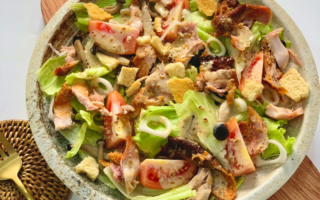
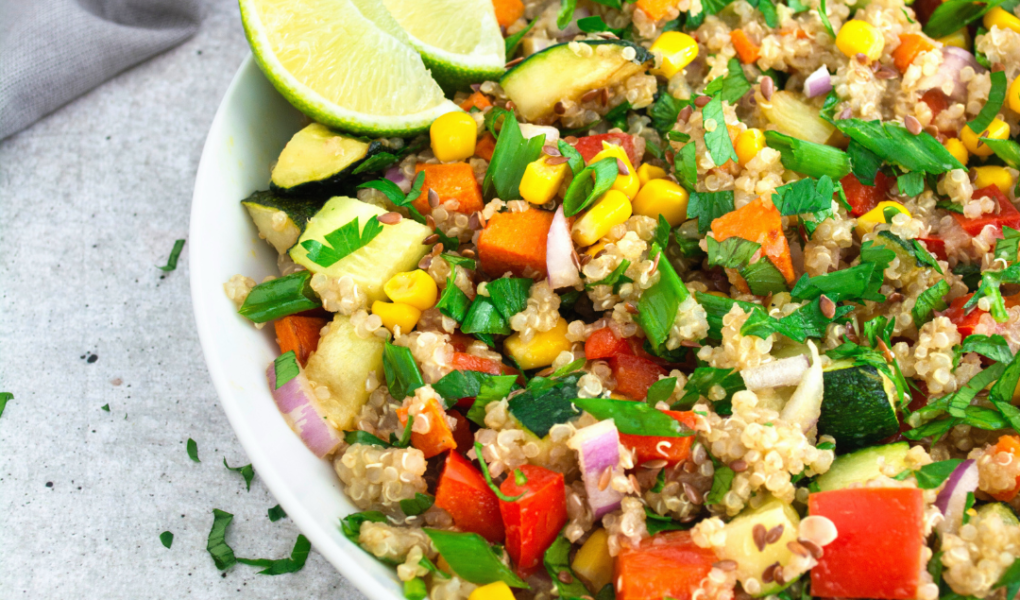
Starting a plant-based diet can feel overwhelming without the right recipes. The key to success is finding simple, flavorful dishes made with easy-to-find ingredients. The best plant-based recipes for beginners focus on minimal prep, balanced nutrition, and familiar flavors to make the transition smooth.
These recipes often rely on whole foods like vegetables, legumes, grains, and nuts. They avoid complicated techniques or rare ingredients, making them accessible for anyone new to plant-based cooking.
By choosing beginner-friendly recipes, you can enjoy meals that are both satisfying and healthy. This approach helps build confidence in the kitchen and encourages long-term commitment to plant-based eating.
Getting Started with Plant-Based Cooking
Starting plant-based cooking means having the right tools, ingredients, and pantry essentials ready. This approach focuses on simple equipment and staple foods that make creating diverse meals easier and more efficient.
Essential Kitchen Tools for Beginners
A sharp chef’s knife is crucial for slicing vegetables and fruits efficiently. A cutting board made of wood or plastic helps protect surfaces and keeps prep clean.
A medium-sized pot and a sauté pan with a lid allow for boiling, steaming, and frying. A blender or food processor can make smoothies, sauces, and soups smoother and faster.
Measuring cups and spoons ensure recipe accuracy. Lastly, containers for storing leftovers help reduce waste and maintain freshness.
Stocking a Plant-Based Pantry
Start with whole grains such as brown rice, quinoa, and oats. Canned beans and lentils provide quick protein options and save cooking time.
Nuts, seeds, and their butters serve as snacks and add nutrients to dishes. Use a variety of dried herbs and spices like cumin, paprika, turmeric, and basil to enhance flavor.
Keep plant-based oils like olive or avocado oil for cooking and dressings. Stock up on canned tomatoes and vegetable broth, which are versatile for soups and sauces.
Common Plant-Based Ingredients
Legumes like chickpeas, black beans, and lentils are foundational for protein and fiber. Leafy greens such as spinach, kale, and arugula offer vitamins and texture.
Tofu and tempeh are popular soy-based proteins that absorb flavors well. Whole grains like farro and bulgur add bulk and nutrients to meals.
Fruits and vegetables should be fresh or frozen, depending on availability, for vitamins and variety. Plant-based milk alternatives, such as almond or oat milk, provide dairy-free options for cooking and baking.
Key Tips for Beginner Plant-Based Cooks
Understanding essential cooking methods, mastering flavor combinations, and organizing your meals can greatly improve your plant-based cooking experience. These practical steps help build confidence and ensure balanced, enjoyable dishes.
Basic Cooking Techniques
Start by learning fundamental methods like sautéing, steaming, roasting, and boiling. These techniques are key to preparing vegetables, legumes, and grains properly.
For sautéing, use a small amount of oil or water and cook over medium heat until ingredients are tender but not mushy. Steaming preserves nutrients, especially in greens and cruciferous vegetables.
Roasting enhances natural sweetness and adds texture. Set the oven between 375°F and 425°F, tossing vegetables with a bit of oil and seasoning. Boiling is useful for grains and beans, but avoid overcooking to prevent nutrient loss.
Mastering these basics helps maintain flavor and texture in plant-based dishes.
Flavor Pairing and Seasoning
Plant-based foods need balanced seasoning to avoid blandness. Experiment with herbs like basil, cilantro, and thyme, combined with spices such as cumin, smoked paprika, and turmeric.
Use acid components like lemon juice or vinegar to brighten dishes. Salt enhances overall taste, but start low and adjust gradually.
Incorporate umami sources—nutritional yeast, soy sauce, miso, or mushrooms—to add depth. Sweet elements like a drizzle of maple syrup or balsamic glaze can balance savory flavors.
Flavor layering is important: season at multiple stages during cooking rather than just at the end.
Meal Planning for Success
Plan meals around versatile staples like beans, lentils, whole grains, and seasonal vegetables. Preparing ingredients ahead of time saves time and reduces stress.
Batch cooking and freezing portions provide ready-to-eat options on busy days. Include a protein, a grain, and a vegetable in each meal for balance.
Use simple layout techniques like meal prep tables:
| Meal | Protein Source | Grain | Vegetable | Seasoning Tips |
| Lunch Bowl | Chickpeas | Quinoa | Roasted sweet potato | Cumin, lemon juice |
| Dinner Stir-fry | Tofu | Brown rice | Broccoli, bell peppers | Soy sauce, garlic |
Consistent planning helps maintain variety and nutritional balance.
Quick and Easy Plant-Based Breakfast Recipes
Plant-based breakfasts can be nutritious, fast, and flavorful with the right ingredients. Using whole fruits, oats, and tofu provides balanced meals that require minimal prep and cook time. These options are versatile and customizable to suit personal tastes and dietary needs.
Simple Smoothie Bowls
Smoothie bowls combine blended fruits with toppings like nuts and seeds for texture. Start with a base of frozen bananas and berries blended with plant milk or juice until thick. Adding a handful of spinach or kale boosts nutrients without altering taste.
Top with sliced fruit, granola, chia seeds, or coconut flakes to increase fiber and healthy fats. Use ingredients such as almond butter or protein powder to increase satiety. They require no cooking and can be prepared in under 10 minutes.
Overnight Oats Ideas
Overnight oats are soaked oats mixed with plant milk and left in the fridge overnight. This method softens the oats and creates a creamy texture. Common ratios are ½ cup oats to ½ cup plant milk, with a tablespoon of chia seeds for firmness.
Flavor additions include cinnamon, vanilla extract, fresh or dried fruits, and sweeteners like maple syrup. Refrigerate in sealed containers for at least 6 hours. In the morning, stir and add toppings such as nuts or berries for extra flavor and crunch.
Tofu Scramble Variations
Tofu scramble is a plant-based alternative to scrambled eggs using crumbled firm tofu. Sauté tofu with turmeric for color and kala namak (black salt) for an eggy flavor. Add vegetables like bell peppers, spinach, or mushrooms for nutrients.
Cook on medium heat, stirring until tofu is slightly browned and heated through. Season with garlic powder, onion powder, or nutritional yeast to enhance taste. This dish takes about 10 minutes and offers high protein content for sustained energy.
Nutrient-Packed Lunches Made Plant-Based
Plant-based lunches can be rich in protein, fiber, and essential vitamins while remaining simple to prepare. Balancing grains, vegetables, and legumes is key to creating satisfying and energizing midday meals.
Hearty Grain Bowls
Grain bowls combine whole grains like quinoa, brown rice, or farro with plant proteins such as chickpeas or tofu. Adding roasted vegetables increases vitamin and mineral content, while a dressing made from tahini or lemon juice enhances flavor without excess calories.
A typical bowl might include:
- 1 cup cooked quinoa
- ½ cup roasted sweet potatoes
- ½ cup steamed kale
- ¼ cup chickpeas
- 2 tablespoons tahini-lemon dressing
This mix provides ample fiber, protein, and healthy fats. Swapping or layering ingredients keeps variety high and nutrients diverse.
Salad Recipes for Filling Meals
Plant-based salads go beyond leafy greens by including legumes, nuts, and whole grains to ensure satiety. Lentils or black beans both add protein, while seeds like pumpkin or sunflower provide zinc and healthy fats.
Combine:
- Mixed spinach and arugula
- ½ cup cooked lentils
- ¼ cup sliced avocado
- 2 tablespoons sunflower seeds
- Cherry tomatoes and cucumber for freshness
Drizzle with olive oil and apple cider vinegar for taste and absorption of fat-soluble vitamins. This salad fuels the body while remaining light.
Easy Wraps and Sandwiches
Wraps and sandwiches use whole-grain or legume-based wraps, packed with hummus or mashed beans for creamy texture and protein. Layer with crisp vegetables such as bell peppers, shredded carrots, and leafy greens for crunch and vitamins.
Example filling:
- Whole wheat wrap
- 3 tablespoons hummus
- ½ cup shredded carrots
- ¼ cup sliced bell peppers
- A handful of spinach leaves
Wraps are portable and customizable, making them ideal for busy schedules. Including a side of fruit or nuts rounds out the meal nutritionally.
Delicious Dinners for New Plant-Based Eaters
Starting plant-based dinners can be straightforward with the right recipes. Focus on meals that use simple ingredients, save time, and offer satisfying flavors. These options are designed for ease and balance.
One-Pot Plant-Based Meals
One-pot meals reduce cleanup and simplify cooking, perfect for beginners. Dishes like lentil stew or chickpea curry combine proteins, veggies, and grains in a single pot. This method infuses flavors deeply while allowing hands-off cooking.
Important ingredients include canned beans, fresh or frozen vegetables, and spices like cumin or smoked paprika. Cooking times are usually under 45 minutes and flexible. For convenience, try a quick quinoa and vegetable pilaf or a hearty black bean chili.
These recipes deliver nutrition and comfort without complicated steps, making them ideal for weeknights or meal prepping.
Comforting Pasta Dishes
Plant-based pasta dishes easily become fast favorites. Use whole-grain, chickpea, or lentil-based noodles for added protein and fiber. Sauces made from blended roasted vegetables, tomato, or cashew cream create rich flavors without dairy.
Try a spinach and mushroom marinara or creamy avocado pasta with garlic and lemon. Adding legumes like white beans or lentils boosts heartiness. Fresh herbs such as basil or parsley elevate the taste.
These recipes can be on the table in 20 to 30 minutes, balancing simplicity and nutrition.
Simple Stir-Fry Recipes
Stir-frying is quick and versatile for plant-based dinners. Vegetables like bell peppers, broccoli, carrots, and snap peas cook fast, preserving texture and color. Combine with tofu, tempeh, or seitan for protein.
Use soy sauce, garlic, ginger, and sesame oil for easy seasoning. Serve over brown rice or noodles to complete the meal. Stir-fries allow customization based on available produce and tastes.
Aim for crisp vegetables and well-marinated proteins to maintain balance in flavor and nutrition. Cooking time averages 15 to 20 minutes.
Satisfying Snacks and Sides
Plant-based snacks and sides can be both nutritious and flavorful. They often rely on fresh vegetables, legumes, and simple seasoning to create satisfying options that require minimal cooking skills.
Wholesome Dips and Spreads
Dips and spreads are essential for adding variety to snacks and meals. Hummus, made from blended chickpeas, tahini, lemon juice, and garlic, is a classic favorite that is rich in protein and fiber.
Another simple option is guacamole, which uses ripe avocados, lime juice, diced tomatoes, and onions. It provides healthy fats and a creamy texture. For a nut-based choice, try a cashew cheese spread, which blends soaked cashews with nutritional yeast, lemon, and garlic for a tangy, rich dip.
These options pair well with raw vegetables, whole grain crackers, or toasted pita.
Easy Snack Recipes
Quick snacks like roasted chickpeas and kale chips require minimal preparation but offer crunch and flavor. Roasted chickpeas can be spiced with paprika, cumin, or chili powder, then baked until crisp.
Kale chips are made by massaging kale leaves in olive oil and seasoning them before baking. They offer a lightweight, nutrient-dense snack option.
Energy balls combining dates, nuts, and seeds provide a sweet, portable snack with natural sugars and protein. Simple fruit and nut bars can also be homemade without added sugars.
Vegetable Side Dishes
Vegetable sides provide balance to any meal by enhancing texture and nutrients. Steamed or roasted broccoli, Brussels sprouts, and carrots are staples that require basic seasoning like olive oil, salt, and pepper for flavor.
Stir-fried vegetables with garlic and ginger add an Asian-inspired touch and can be prepared quickly in a single pan.
Salads using mixed greens, colorful bell peppers, cucumbers, and a vinaigrette offer fresh crunch and vitamins.
For variety, try roasted root vegetables such as sweet potatoes and beets; these are filling and naturally sweet.
Plant-Based Desserts for Beginners
Simple ingredients and minimal preparation define approachable plant-based desserts. Emphasis is on easy assembly and natural sweeteners to keep things straightforward.
No-Bake Treats
No-bake desserts are ideal for beginners because they require little to no cooking. Recipes often rely on ingredients like nuts, oats, dates, and plant-based sweeteners such as maple syrup. These combine easily into bars, balls, or layered desserts.
For example, energy balls blend nuts and dates with cocoa powder or shredded coconut. They’re quick to make and store well. Another option is a chia seed pudding, which gels when mixed with plant milk and a sweetener. Just refrigerate overnight.
These treats avoid complicated baking processes and provide a satisfying sweet option without refined sugars or flours.
Fruit-Based Sweets
Fruit-based desserts utilize fresh or dried fruit as the primary sweetener and flavor. This approach highlights natural sugars and fiber, often eliminating the need for added sugar.
Simple ideas include baked apples with cinnamon and nuts or a tossed fruit salad with a splash of citrus juice. Smoothies and parfaits layer plant yogurt with berries and granola for texture variation.
Fruit desserts are quick to prepare and versatile, allowing combinations of seasonal produce. They emphasize freshness and straightforward preparation, perfect for those new to plant-based cooking.
Common Mistakes and How to Avoid Them
One common mistake is relying too heavily on processed plant-based foods. These can be convenient but often lack essential nutrients and contain additives. Focus on whole foods like beans, grains, vegetables, and nuts for better nutrition.
Another frequent error is not balancing macronutrients. Plant-based meals should combine proteins, healthy fats, and carbohydrates. For example, pairing rice with lentils or adding avocado to salads can improve nutrient intake and satiety.
Beginners often forget to season their dishes properly. Plants benefit from herbs, spices, and acids like lemon juice or vinegar to enhance flavor. Experimenting with basic seasonings prevents bland meals and makes recipes more appealing.
Here’s a quick reference to avoid typical pitfalls:
| Mistake | How to Avoid |
| Overusing processed foods | Choose whole, minimally processed ingredients |
| Skipping protein sources | Include beans, tofu, tempeh, or nuts |
| Ignoring flavor enhancement | Use herbs, spices, and acids in cooking |
| Not planning meals | Prepare simple meal plans to ensure variety |
Cooking times and techniques also matter. Overcooking vegetables reduces nutrients and texture. Aim for crisp-tender results and taste often during cooking to adjust as needed.
Being patient and trying new ingredients is important. Allow time to discover what works for personal taste and lifestyle. This approach reduces frustration and increases success with plant-based eating.
Next Steps: Expanding Your Plant-Based Recipe Repertoire
Once you feel comfortable with basic plant-based recipes, it’s time to explore more diverse ingredients and cooking techniques. Experimenting helps build confidence and prevents mealtime monotony.
Try incorporating new protein sources like lentils, chickpeas, tempeh, or seitan. These options add variety in texture and flavor while keeping meals nutritious and plant-centered.
Consider adding world cuisines to your rotation. Many cultures offer rich plant-based traditions, such as Indian dal, Mediterranean hummus, or Mexican bean tacos. These dishes often use simple ingredients with bold spices.
Use this checklist to guide your exploration:
| Focus Area | Suggestions | Benefits |
| Grains | Quinoa, farro, bulgur | Adds texture and nutrients |
| Vegetables | Seasonal, diverse colors | Boosts vitamins and fiber |
| Plant Proteins | Tofu, tempeh, beans | Increases satiety |
| Herbs & Spices | Cumin, turmeric, basil | Enhances flavor |
Cooking methods such as roasting, sautéing, or steaming can significantly change your meal experience. Try swapping boiling for roasting vegetables to bring out natural sweetness.
Keep a small journal or digital list of recipes and tweaks. Tracking what works makes it easier to refine tastes and repeat favorite meals.
Expand your pantry gradually. Stock up on versatile staples like canned beans, nuts, seeds, and nutritional yeast. These ingredients can elevate simple dishes with minimal effort.