One-pot meals simplify cooking by combining all ingredients in a single pot, saving time and reducing cleanup. They are ideal for beginners because they require fewer skills and fewer dishes, making it easier to prepare balanced, satisfying meals.
The best one-pot meals for beginners are those with straightforward ingredients and clear steps, such as soups, stews, and skillet dishes that cook evenly in one vessel. These recipes help build confidence in the kitchen without overwhelming the cook.
Choosing easy one-pot meals also allows beginners to explore different flavors and techniques while minimizing effort. This approach creates a solid foundation for developing more advanced cooking skills over time.
Why One-Pot Meals Are Perfect for Beginners
One-pot meals break down complex cooking into manageable steps. They reduce kitchen chaos by combining preparation, cooking, and cleanup in one vessel. This approach gives clear methods and measurable time savings.
Simplicity and Minimal Cleanup
One-pot meals keep ingredients and cooking contained, preventing multiple pots and pans. This means fewer dishes to wash, making the meal less intimidating for new cooks.
Recipes usually involve layering ingredients, so beginners can follow straightforward steps without juggling multiple cooking processes. A single pot means less clutter, which reduces distraction and mistakes.
Ingredients often cook together, allowing natural flavors to blend without extra sauces or seasoning steps. Minimizing utensils and dishes helps beginners focus on mastering basic cooking techniques without extra cleanup stress.
Essential Cooking Techniques
One-pot meals teach core skills like sautéing, simmering, and boiling in an integrated way. Beginners learn how heat controls texture and flavor by watching how ingredients change during cooking.
Timing is important as different foods cook at varying rates; practicing one-pot recipes builds an understanding of sequencing and ingredient readiness. This method also introduces simple knife skills and ingredient prep since many recipes use chopped vegetables and proteins.
Following one-pot recipes helps new cooks gain confidence by seeing direct results with basic culinary methods. It lays a foundation for experimenting with spices and flavor combinations in a controlled setting.
Time-Saving Benefits
Cooking in a single pot cuts down both active cooking and cleanup time. This efficiency suits busy schedules or those new to cooking who want quick, reliable meals.
Prepping ingredients for one-pot meals usually involves minimal chopping and no separate sauces or sides to prepare. Meals are often cooked with low-to-medium heat, requiring occasional stirring, freeing beginners from constant supervision.
The total time, from chopping to serving, tends to be under an hour for most one-pot recipes. This short turnaround supports regular home cooking habits without overwhelming the novice cook.
Essential Tools and Ingredients
Having the right cookware, staple ingredients, and seasonings makes one-pot meals simple and efficient. Knowing what tools and flavors to keep ready can streamline cooking and improve results.
Must-Have Cookware for One-Pot Meals
A heavy-bottomed Dutch oven is crucial. It distributes heat evenly, making it perfect for browning, simmering, and baking. Look for one with a tight-fitting lid to lock in moisture.
A large sauté pan with high sides is useful for stir-fries, skillet meals, and sauces. Non-stick or stainless steel options both work well, depending on your preference.
For quick meals, a large slow cooker or Instant Pot can save time by allowing set-and-forget cooking. A wooden spoon and silicone spatula help prevent scratching and withstand heat.
Staple Ingredients to Keep on Hand
Keep dried rice, pasta, or lentils stocked; these form the base of many dishes. A selection of canned goods like tomatoes, beans, and broth reduces prep time.
Always have onions and garlic for foundational flavor. Root vegetables such as carrots and potatoes add texture and substance.
Oils like olive oil or vegetable oil are essential for sautéing. Don’t forget basics like salt and pepper for seasoning.
Flavor Boosters and Seasonings
To elevate one-pot meals, use dried herbs such as thyme, oregano, and bay leaves. They add depth without overpowering.
Keep a variety of spices like paprika, cumin, and chili powder to customize heat and aroma. A splash of soy sauce or vinegar can brighten flavors.
Fresh herbs like parsley or cilantro add a final layer of freshness when added at the end. Have crushed red pepper flakes available for optional heat.
Core Types of One-Pot Meals
One-pot meals vary widely depending on the main ingredients and cooking methods. Each type offers unique advantages in ease, flavor development, and cooking time. Understanding these differences can help home cooks select the right recipe based on their preferences and pantry staples.
One-Pot Pasta Dishes
One-pot pasta meals combine pasta, sauce, vegetables, and sometimes protein in a single pot. Cooking everything together allows the pasta to absorb flavors directly from the sauce, creating a cohesive dish with minimal cleanup.
These dishes usually require adding pasta at a certain point so it cooks perfectly without becoming mushy. Ingredients like tomatoes, garlic, onions, and herbs infuse flavor, while proteins such as chicken or sausage can be added for heartiness.
Because the pasta and sauce cook simultaneously, timing and liquid ratios are important. Too little liquid results in undercooked pasta, and too much can dilute flavors. One-pot pasta is ideal for quick, flavorful outcomes using simple techniques.
Rice-Based One-Pot Recipes
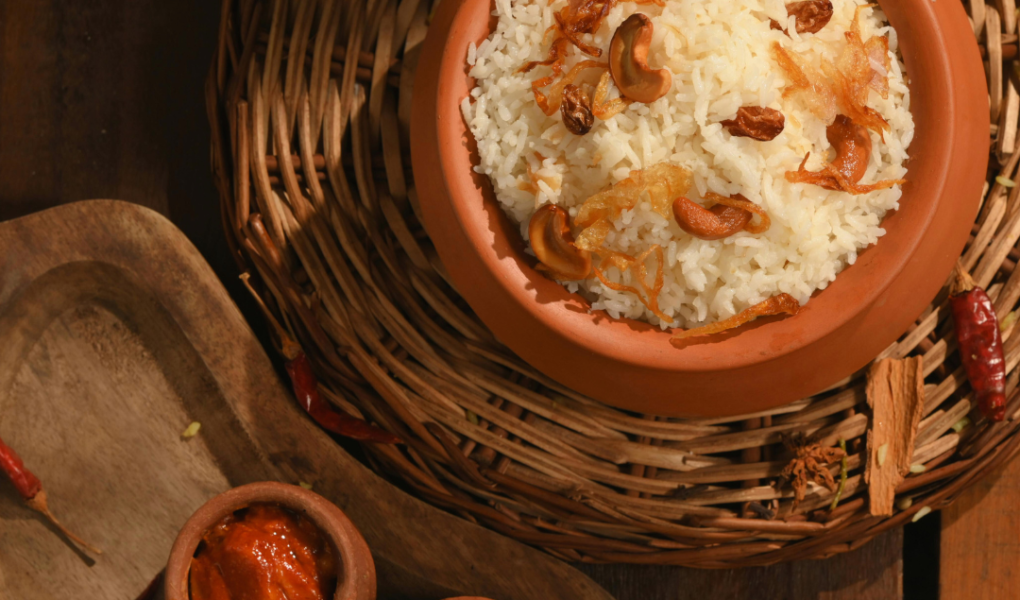
Rice-based one-pot meals often follow the principle of cooking rice directly with broth, vegetables, spices, and proteins. Dishes like pilafs, jambalaya, or paella variations exemplify this method.
The rice absorbs all surrounding flavors, making each bite rich and consistent. Unlike pasta dishes, rice requires precise liquid measurements and controlled heat to avoid burning and ensure even cooking.
Common ingredients include onions, bell peppers, garlic, and proteins like chicken, shrimp, or beans. Spices vary widely depending on cuisine, often including cumin, paprika, or saffron to build complexity. Rice-based recipes are perfect for those seeking a filling, nutrient-packed meal in one pot.
Hearty Stews and Soups
Hearty stews and soups are built on a base of broth or stock combined with chunks of meat, vegetables, and seasonings. These meals depend on slow simmering for the flavors to meld and for tougher cuts of meat to become tender.
Common vegetables include carrots, potatoes, and celery, chosen for their ability to hold up during longer cooking times. Stews may thicken naturally or be enhanced with roux or starches, while soups tend to be more liquid-forward.
This category is versatile in ingredient choice and cooking duration, suitable for making large batches and reheating later. It offers nutrient-dense, comforting options with minimal effort on active cooking time.
Beginner-Friendly One-Pot Dinner Ideas
One-pot dinners simplify cooking by combining main ingredients with vegetables, grains, or sauces in one vessel. These meals reduce cleanup and help beginners manage timing and flavors with ease.
Chicken and Vegetable Combinations
Chicken is versatile and cooks quickly in one-pot meals. Combining lean chicken pieces with vegetables such as carrots, potatoes, and green beans creates a balanced dish with protein, fiber, and vitamins.
A simple method involves browning chicken thighs first, then adding chopped vegetables and a broth or sauce. Simmer until vegetables are tender, and chicken reaches 165°F internally for safety. Herbs like thyme or rosemary enhance flavor without complexity.
Tips for success:
- Use bone-in chicken for extra flavor.
- Cut vegetables uniformly for even cooking.
- Avoid overcrowding the pot to allow proper browning.
Vegetarian and Plant-Based Choices
Plant-based one-pot meals focus on legumes, grains, and a variety of vegetables. Lentils, chickpeas, or black beans pair well with rice or quinoa in hearty stews or pilafs.
Incorporating spices such as cumin, smoked paprika, or turmeric brings depth to vegetarian dishes. Leafy greens like spinach or kale added at the end maintain texture and nutrition.
Example dish: Lentil and sweet potato stew with diced tomatoes and garlic.
Vegetarian one-pot meals benefit from layering flavors carefully since they lack meat fat. Adding a splash of acid, like lemon juice or vinegar, brightens the dish before serving.
Quick Seafood and Fish Meals
Seafood cooks rapidly, making it ideal for fast, simple one-pot dinners. White fish fillets, shrimp, or scallops can be simmered with broth and vegetables for a nutritious meal in under 30 minutes.
Use firm fish varieties that won’t overcook easily. Add seafood toward the end of cooking to prevent toughness.
Common ingredients: zucchini, cherry tomatoes, garlic, and fresh herbs.
A light broth or tomato base complements seafood without overpowering it. Avoid heavy cream sauces, as they can curdle when boiled. Instead, finish with olive oil and fresh lemon.
Tips for Success with One-Pot Cooking
Understanding how to build flavor, manage cooking times, and handle leftovers will improve your one-pot meals. Focus on these elements to ensure dishes are tasty, fully cooked, and easy to store.
Layering Flavors Effectively
Start by sautéing aromatics like onions, garlic, or spices to release their full flavor. Adding ingredients in stages helps each element contribute to the overall taste.
Use ingredients with strong flavors early, such as herbs and spices, allowing them to infuse the dish. Deglaze the pot with broth or wine to lift browned bits and deepen flavor.
Balance salty, acidic, and sweet elements. For example, add a splash of lemon juice or vinegar at the end to brighten flavors. Layering flavors means paying attention to detail at each cooking step.
Proper Cooking Times and Temperatures
Different ingredients need precise timing. Add dense vegetables or raw meats first, which take longer to cook. Softer vegetables like spinach or herbs should go in last to avoid overcooking.
Maintain medium heat to prevent burning while allowing ingredients to cook evenly. Use simmer rather than boil once all components are added.
A lid traps steam, shortening cooking time and keeping moisture in. Remove the lid if you want to thicken the sauce by evaporation.
Storing and Reheating Leftovers
Cool leftovers quickly before refrigerating to prevent bacterial growth. Store in airtight containers and consume within 3-4 days.
Reheat slowly over low to medium heat to avoid drying out or burning. Add a splash of water or broth if the dish has thickened during storage.
Avoid reheating multiple times; this deteriorates texture and taste. Freeze if you plan to keep leftovers longer, and thaw thoroughly before reheating.
Customizing One-Pot Meals to Your Taste
One-pot meals are highly adaptable, allowing you to modify ingredients and flavors easily. You can tailor recipes to fit specific dietary needs and enhance dishes with a variety of garnishes.
Adjusting Recipes for Dietary Needs
To accommodate dietary restrictions, start by identifying key ingredients that may cause issues. For gluten-free diets, swap regular pasta or rice with gluten-free versions like quinoa or cauliflower rice.
For low-sodium preferences, reduce or eliminate added salt and use herbs such as thyme or rosemary for flavor. Vegetarians and vegans can substitute meat with plant-based proteins like lentils, chickpeas, or tofu without losing texture.
When dealing with allergies, choose safe alternatives: use coconut or almond milk instead of dairy, and avoid nuts or shellfish. Adjust cooking times carefully when substituting ingredients to ensure even cooking.
Creative Garnishes and Finishes
Garnishes add texture, color, and flavor to simple one-pot meals. Fresh herbs such as parsley, cilantro, or basil brighten the dish and introduce fresh aromatic notes.
A squeeze of lemon or a sprinkle of zest adds acidity, balancing rich flavors. Crunchy toppings like toasted nuts, seeds, or fried onions provide contrast to soft ingredients.
Drizzling flavored oils (chili or garlic-infused) or a dollop of yogurt or sour cream enriches the dish’s complexity. These small finishing touches allow customization without complicating the cooking process.
Troubleshooting Common One-Pot Mistakes
One-pot meals can be simple, but common mistakes often lead to uneven cooking or unpleasant textures. Attention to timing and heat control is essential to avoid these issues.
Avoiding Overcooked Ingredients
Overcooking happens when some ingredients spend too long on the heat compared to others. To prevent this, add ingredients in stages based on their cooking times. For example, root vegetables like carrots and potatoes need longer, so start with those. Leafy greens or seafood should be added last as they cook quickly.
Using a timer helps manage cooking intervals precisely. Stir occasionally to check texture. If the dish looks dry, add a small amount of liquid to keep ingredients moist without overcooking. Avoid high heat throughout; medium or low heat gives better control and reduces the risk of mushy or burnt food.
Preventing Sticking and Burning
Sticking and burning usually occur from too little liquid or too much heat. Always start with enough oil or fat to coat the pot’s surface before adding ingredients. Maintain a moderate heat level rather than turning it high to prevent scorching.
Use a heavy-bottomed pot or non-stick cookware for even heat distribution. Stir frequently, especially when cooking starchy items like rice or beans, to avoid them sticking to the bottom. If the pot begins to dry out, add broth, water, or sauce incrementally.
| Tip | Action |
| Use moderate heat | Avoid cooking on high heat |
| Add enough oil or fat | Coat the pot to prevent food from sticking |
| Stir frequently | Prevent ingredients from settling and burning |
| Add liquid as needed | Keep ingredients moist, stop drying out |
Inspiring One-Pot Meal Prep Techniques
One-pot meals simplify cooking by combining ingredients in a single vessel. This reduces cleanup and saves time, making it easier for beginners to manage meal prep efficiently.
Start by layering ingredients strategically. Dense items like root vegetables go in first since they take longer to cook, while quicker-cooking ingredients like leafy greens or seafood are added later.
Use a balanced mix of protein, carbs, and vegetables to create a complete meal. For example:
| Ingredient Type | Example |
| Protein | Chicken, beans, tofu |
| Carbs | Rice, pasta, potatoes |
| Vegetables | Bell peppers, spinach |
Monitor liquid levels carefully. Too much can make the dish soupy, too little can cause burning. Start with the amount the recipe suggests and adjust for your pot size.
Consider using a heavy-bottomed pot such as a Dutch oven. It helps distribute heat evenly, preventing hotspots and ensuring consistent cooking.
Stirring occasionally promotes even cooking and prevents sticking. However, avoid over-stirring, especially with delicate ingredients, to maintain texture.
Experiment with seasoning timing. Adding spices early deepens flavor, while finishing touches like fresh herbs preserve aroma.
Meal prep with one-pot meals encourages planning. Prepare ingredients ahead of time, measure liquids, and have tools ready to streamline the cooking process.
Expanding Your Skills Beyond the Basics
Once you’ve mastered simple one-pot meals, it’s time to explore more complex recipes. Experimenting with different ingredients and techniques will build confidence and improve your cooking versatility.
Try incorporating more spices and herbs to enhance flavors. Understanding how various seasonings work can transform a basic dish into something memorable.
Using a wider range of cookware, like Dutch ovens or slow cookers, opens up new meal possibilities. These tools allow for diverse cooking methods such as braising and slow simmering.
Here’s a quick list of skills to focus on next:
- Layering flavors through sautéing or toasting spices
- Adding proteins at different stages for texture variety
- Balancing acidity and sweetness with citrus or honey
- Adjusting cooking times based on ingredient density
Tips for practice:
| Skill | Example | Benefit |
| Deglazing | Add wine or broth after sautéing onions | Builds a rich, flavorful base |
| Toasting spices | Dry roast cumin or coriander seeds | Enhances aroma and depth |
| Timing protein addition | Add the chicken later than the vegetables | Avoids overcooking |
Expanding beyond beginner meals can sometimes feel intimidating. Focus on one new skill at a time to gradually increase your abilities without feeling overwhelmed.