Healthy smoothies are an easy and convenient way to boost your daily nutrient intake without sacrificing taste. The best healthy smoothie recipes combine fresh fruits, vegetables, protein, and healthy fats for balanced nutrition and energy.
These recipes cater to different dietary needs and preferences, making it simple to find options that suit your lifestyle. Whether you want a post-workout recovery drink or a quick breakfast, these smoothies deliver both health benefits and flavor.
By choosing the right ingredients, you can support digestion, improve immunity, and maintain energy levels throughout the day. This guide offers a variety of straightforward recipes that anyone can try at home.
Why Choose Healthy Smoothie Recipes?
Healthy smoothie recipes provide a quick way to consume a variety of essential nutrients. They can be tailored to support specific health needs while using fresh, wholesome ingredients.
Nutritional Benefits of Smoothies
Smoothies can deliver a concentrated source of vitamins, minerals, fiber, and antioxidants. Including fruits, vegetables, nuts, and seeds increases intake of vitamin C, potassium, and healthy fats.
Blending helps retain fiber, which supports digestion and blood sugar control. Smoothies can be high in protein when ingredients like yogurt, protein powder, or nut butter are added, aiding muscle repair and satiety.
Smoothies allow controlled portion sizes and ingredient choices, making it easier to avoid excess sugars often found in other drinks. The balance of macronutrients in smoothies supports sustained energy levels throughout the day.
Health Goals Supported by Smoothies
Smoothies can support weight management by replacing calorie-dense snacks with nutrient-rich alternatives. The fiber content promotes fullness, reducing overeating.
For heart health, ingredients such as berries, leafy greens, and flaxseed provide antioxidants and omega-3 fatty acids. These compounds lower inflammation and improve cholesterol levels.
Smoothies also aid immune function through vitamin-packed ingredients like citrus fruits and spinach. Smoothies can be customized for digestive health by including probiotic-rich yogurt or anti-inflammatory turmeric.
Whole Foods vs Processed Ingredients
Using whole foods in smoothies ensures maximum nutrient retention and limits additives. Fresh or frozen fruits and vegetables provide natural vitamins without preservatives.
Processed ingredients like pre-packaged smoothie mixes often contain added sugars, artificial flavors, and fillers, which reduce overall nutritional quality. These can contribute to increased calorie intake without added health benefits.
Whole food ingredients allow clear control over sugar content. Sweeteners like honey or dates can be used in moderation, offering safer alternatives to refined sugars found in processed products.
Essential Ingredients for Healthy Smoothies
Choosing the right ingredients affects both the nutrition and flavor of your smoothie. Focus on whole, natural components that enhance health benefits and add balance. Consider combining fruits, vegetables, proteins, superfoods, and liquids thoughtfully.
Nutritious Fruits and Vegetables
Fruits like berries, bananas, mangos, and apples provide natural sweetness, vitamins, and antioxidants. Berries are particularly high in vitamin C and fiber, aiding digestion and immune function.
Leafy greens such as spinach and kale add iron, calcium, and vitamin K without overpowering taste. Vegetables like cucumber and carrot introduce hydration and additional nutrients. Using frozen fruits or veggies can improve texture and chill your smoothie without ice.
Protein Sources for Smoothies
Protein supports muscle repair and keeps you full longer. Good options include Greek yogurt, cottage cheese, and silken tofu for a creamy texture. Plant-based powders like pea, hemp, or brown rice protein are effective for vegans and those avoiding dairy.
Nut butters, such as almond or peanut butter, offer healthy fats and protein but should be added in moderation to avoid excess calories. Chia or hemp seeds also contribute protein alongside omega-3 fats.
Superfoods and Boosters
Superfoods enhance nutrient density with antioxidants, vitamins, and minerals. Common choices include spirulina, maca powder, chia seeds, flaxseed, and cacao nibs. Each adds unique benefits: spirulina offers protein and iron; maca boosts energy; chia and flaxseed provide fiber and omega-3s.
Adaptogens like ashwagandha or turmeric can support stress reduction and inflammation control. Use these in small amounts, as their flavors can be strong.
Healthier Liquid Bases
The liquid base impacts calorie content and flavor. Unsweetened almond milk, coconut water, and oat milk are lower-calorie alternatives to traditional milk and fruit juices. They add subtle taste without excess sugar.
Plain water or green tea are good options for hydration without extra calories. Choose liquids based on your dietary needs and desired smoothie texture, aiming for a creamy but drinkable consistency.
Best Healthy Green Smoothie Recipes
Green smoothies often combine leafy greens with fruits and other fresh ingredients for a balanced taste and nutrition. Each recipe below offers unique vitamins, fiber, and antioxidants, while maintaining a smooth texture and refreshing flavor.
Classic Spinach and Banana Smoothie
This smoothie blends fresh spinach with ripe banana, creating a mild, naturally sweet drink rich in potassium and iron. Using 1 cup of spinach, 1 banana, 1/2 cup of Greek yogurt, and 1 cup of almond milk delivers protein, calcium, and a creamy consistency.
Add a tablespoon of ground flaxseed or chia seeds for added omega-3 fatty acids. Blend until smooth, and serve chilled for a nutrient-dense breakfast or snack option.
Kale and Pineapple Refresh
Kale provides a robust source of vitamins A, C, and K, while pineapple adds natural sweetness and bromelain, an enzyme that may aid digestion. Use 1 cup chopped kale, 1/2 cup pineapple chunks, 1/2 banana, and 1 cup coconut water for hydration and flavor balance.
The combination offers a refreshing, slightly tart taste that works well as a post-workout boost or midday revitalizer. Ice cubes can be added for extra chill.
Avocado and Cucumber Blend
Avocado contributes healthy monounsaturated fats and a smooth texture, with cucumber adding hydration and crunch. Combine 1/2 avocado, 1/2 cucumber, a handful of spinach, juice of 1 lime, and 1 cup water or unsweetened almond milk.
This low-sugar smoothie provides healthy fats and antioxidants while remaining light in calories. The lime juice brightens the flavor and supports vitamin C intake.
Top Fruit-Based Smoothie Recipes
These smoothies combine fresh fruits with simple ingredients to maximize flavor and nutrition. Each recipe balances natural sweetness with vitamins and antioxidants important for a healthy diet.
Berry Antioxidant Smoothie
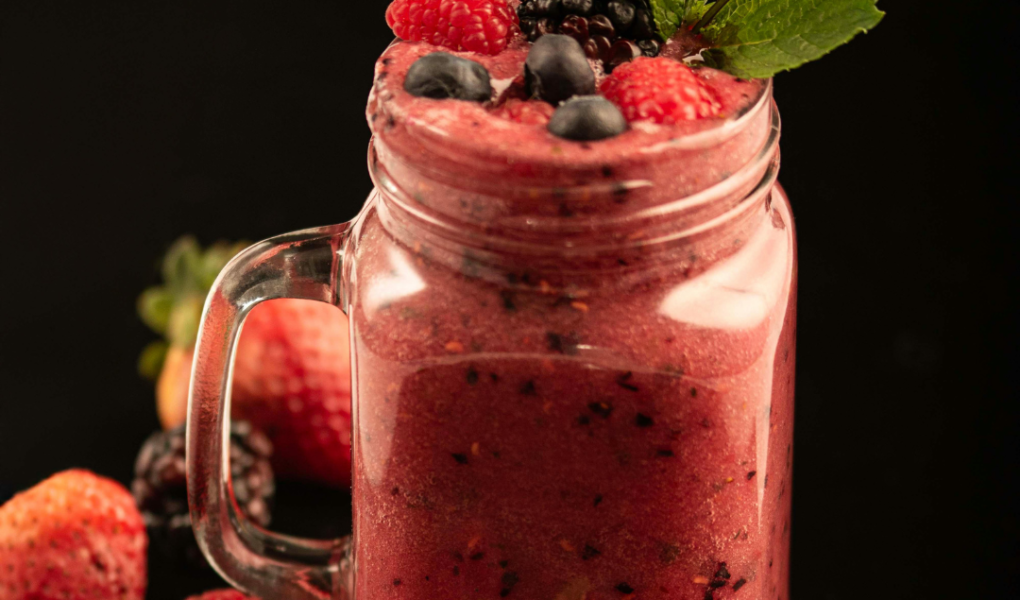
This smoothie uses mixed berries—blueberries, strawberries, and raspberries—which are rich in antioxidants like vitamin C and anthocyanins. Combine 1 cup of mixed berries, 1/2 cup plain Greek yogurt, 1/2 cup unsweetened almond milk, and a teaspoon of honey for sweetness.
Blend until smooth for a creamy texture and vibrant color. The yogurt adds protein while keeping the smoothie light. This mix supports immune function and helps reduce oxidative stress.
Tropical Mango-Papaya Smoothie
Fresh mango and papaya make this smoothie a tropical vitamin C powerhouse with digestive enzymes. Use 1 cup chopped mango, 1/2 cup chopped papaya, 1/2 cup coconut water, and a squeeze of lime juice.
Blend until creamy, adding ice cubes to chill. Coconut water hydrates while providing electrolytes. This combination promotes digestion and offers a refreshing, tangy taste.
Citrus Sunrise Smoothie
Citrus fruits in this smoothie provide a rich source of vitamin C and folate. Blend 1 orange (peeled), 1/2 grapefruit (peeled), 1 banana for texture, and 1/2 cup water or orange juice.
Add a tablespoon of chia seeds for fiber and omega-3 fatty acids. This smoothie is light yet filling, with a balance of sweetness and tartness to start the day.
High-Protein Smoothie Ideas
Increasing protein intake in smoothies helps with muscle repair and sustains energy. These recipes combine nutrient-dense ingredients that deliver protein alongside flavor and texture.
Peanut Butter and Oats Smoothie
This smoothie blends natural peanut butter, rolled oats, and milk or a dairy-free alternative for a creamy, filling option. Peanut butter provides about 8 grams of protein per two tablespoons, along with healthy fats that promote satiety.
Oats add additional protein and fiber, enhancing digestion and keeping blood sugar stable. To prepare, mix 1 cup of milk, 2 tablespoons of peanut butter, 1/4 cup oats, a banana for sweetness, and ice. Blend until smooth.
Optional add-ins include a scoop of protein powder or chia seeds to boost protein further. This smoothie suits pre- or post-workout needs due to its balance of carbs, protein, and fats.
Greek Yogurt and Strawberry Blend
Greek yogurt is a rich source of protein, offering around 15–20 grams per cup, and it contributes a creamy texture. Paired with fresh or frozen strawberries, this blend provides antioxidants and vitamin C.
Combine 1 cup of plain Greek yogurt, 1 cup of strawberries, a tablespoon of honey for slight sweetness, and a splash of almond milk. Blend to a smooth consistency.
This smoothie supports muscle recovery and immune function. It’s also low in calories relative to protein content, making it good for weight management.
Almond Butter Banana Power Shake
Almond butter supplies roughly 7 grams of protein per two tablespoons and contains essential vitamins like vitamin E. Bananas add natural carbohydrates and potassium, aiding in energy and electrolyte balance.
The shake includes 1 banana, 2 tablespoons of almond butter, 1 cup of milk or plant-based milk, and optional vanilla protein powder for an extra protein boost. Blend until creamy.
This is a quick, nutrient-packed option suited for breakfast or energy replenishment during a busy day. The combination delivers a smooth, rich taste with consistent protein supply.
Low-Calorie and Weight Loss Smoothie Recipes
These smoothie recipes focus on low-calorie ingredients that support weight loss through high nutrient density and fiber content. They provide a balance of vitamins, minerals, and hydration without excess sugar or fats.
Green Detox Smoothie
The Green Detox Smoothie combines kale, cucumber, and green apple for a nutrient-rich drink under 150 calories. Kale is high in fiber and antioxidants, aiding digestion and supporting metabolism.
Cucumber adds hydration with minimal calories, while green apple lends natural sweetness and pectin fiber, which promotes fullness. A splash of lemon juice enhances flavor and boosts vitamin C content.
Blend 1 cup kale, ½ cucumber, 1 small green apple, juice of half a lemon, and 1 cup water or unsweetened almond milk. This smoothie keeps calories low while delivering essential nutrients.
Berry Spinach Slim-Down
This smoothie blends spinach and mixed berries for a low-calorie, antioxidant-packed option. Berries provide fiber and flavonoids that may aid in weight management by reducing inflammation.
Spinach adds iron and magnesium without adding many calories. Use water or unsweetened green tea as a liquid base for added metabolic benefits.
Ingredients include 1 cup spinach, ½ cup mixed berries (blueberries, raspberries, strawberries), 1 tablespoon chia seeds for extra fiber, and 1 cup water or unsweetened green tea.
Refreshing Cucumber-Lemon Smoothie
Ideal for hydration and appetite control, this smoothie uses cucumber, lemon, and a hint of ginger. Cucumber’s high water content helps maintain fullness with few calories.
Lemon provides vitamin C and a tangy flavor that can enhance metabolism. Fresh ginger adds a minor thermogenic effect, potentially increasing calorie burn slightly.
Blend 1 cup of cucumber, juice of one lemon, ½ teaspoon grated fresh ginger, a handful of mint leaves, and 1 cup cold water. It’s light, refreshing, and suitable for those seeking easy-to-digest weight loss support.
Smoothies for Kids and Family
These smoothie recipes focus on balanced nutrition and kid-friendly flavors. They include natural sweetness, fiber, and healthy fats to support energy and growth without added sugars.
Kid-Friendly Berry Blast
This smoothie combines blueberries, strawberries, and a banana for a sweet taste that kids typically enjoy. It provides antioxidants from berries and potassium from bananas, which aid in muscle and nerve function.
Ingredients like Greek yogurt add protein, while a splash of milk keeps the texture smooth and drinkable. You can customize this by adding a teaspoon of honey for extra sweetness or a handful of spinach for added nutrients without altering the flavor much.
Creamy Banana Chia Smoothie
This recipe uses ripe bananas and chia seeds for natural creaminess and fiber. Chia seeds are a good source of omega-3 fatty acids, which are important for brain development.
Blending bananas with almond milk and a scoop of plain yogurt creates a smooth, filling drink. It’s easy to prepare and great for breakfast or an afternoon snack. This smoothie balances natural sugars with protein and fiber for steady energy release.
Preparation Tips for the Perfect Smoothie
Successful smoothie making involves selecting the right blending method, knowing how to store your creations, and balancing texture and taste. These elements ensure a smooth, flavorful drink every time.
Blending Techniques
Start by adding liquids first to help the blades move smoothly. Use cold or frozen fruits to chill the smoothie without diluting it. Pulse the blender initially, then blend continuously for about 30-60 seconds until smooth.
For thicker smoothies, blend in stages by adding harder ingredients first, like nuts or seeds, then softer fruits and leafy greens. Avoid over-blending as it can heat the mixture, affecting flavor and nutrients.
Invest in a high-powered blender for better texture and quicker results, especially when including fibrous or frozen ingredients.
Storage and Meal Prep Tips
Store smoothies in airtight containers to maintain freshness and prevent oxidation. Glass jars with tight seals work best. Fill the container fully to minimize air exposure.
If prepping ahead, blend without ice and freeze portions in silicone molds or freezer bags. Thaw in the fridge overnight or blend frozen portions with a bit of liquid before drinking.
Label containers with dates and contents. Consume homemade smoothies within 24-48 hours for optimal taste and nutrient retention.
Adjusting Texture and Sweetness
Thick smoothies benefit from liquids like almond milk, coconut water, or juice. Add gradually to reach the desired consistency without over-thinning.
For extra creaminess, include avocado, banana, or Greek yogurt. To reduce grit from seeds or greens, strain through a fine mesh if preferred.
Sweetness can be adjusted with natural options like honey, maple syrup, or medjool dates. Use citrus juice to brighten flavor without extra sugar. Taste and modify in small increments to avoid overpowering the smoothie.
Customizing Your Healthy Smoothie Recipes
Adjusting ingredients is key to tailoring smoothies to your taste and nutritional needs. Choices around fresh produce and milk alternatives can significantly change flavor and texture.
Seasonal Variations
Using seasonal fruits and vegetables boosts freshness and nutrients. In spring, try adding strawberries or spinach; summer is perfect for mangoes and blueberries. Fall brings pumpkin and apples, while winter favors citrus fruits like oranges and grapefruits.
Seasonal choices support local produce and often cost less. Incorporate seasonal herbs like mint in summer or cinnamon in fall to enhance flavor naturally without added sugar.
Dairy-Free and Vegan Options
For dairy-free or vegan smoothies, use plant-based milks such as almond, oat, coconut, or soy milk. These options vary in creaminess and taste, so experiment to find what suits you.
Add protein with vegan sources like chia seeds, hemp protein, or pea protein powder. Avoid honey by using maple syrup or agave nectar for sweetness. This approach keeps recipes inclusive while maintaining balanced nutrition.